
Powell River to ?
On Wednesday I hope to head up to somewhere around Lund, a little establishment 20 km up the coast. After that is Copeland Islands Marine Park, where I hope to get some good underwater footage with my video camera. Beyond that is the end of the Sunshine Coast peninsula, and the end of the coastal highway stretching from Central America up to this point. You can go further north, but you have to take a more inland route because the coastal mountains are too rugged for a continuation of the road beyond here. There are too many fiords and steep mountainsides. Thankfully for me, this is the end of the endless rows of waterfront houses and the beginning of the real wilderness. I will travel up through Desolation Sound and the islands separating northeastern Vancouver Island from the mainland. Since my battery charger no longer charges my camcorder batteries, I will try to top up my charge as often as possible in any tiny settlements I may come across.
Despite this leg being the beginning of the real wilderness, I believe it will be much easier travelling for me now. The problem so far is that with very few exceptions, all the nice locations along the Sunshine Coast which offer a protected place to pull out and camp, already have houses backing them. This meant that I had to search around for suboptimal camping locations and had to reach certain destinations by the end of the day. I have some pretty strong opinions about this unbridled, unbroken waterfront real estate development, and the necessity for protecting what little undeveloped land remains, but I will hold off on any further ranting for now. From now on, I will find plenty of easily accessible camping spots. The other thing that will be on my side is the tidal currents. The tides really rip through these islands since the channels are the only things linking the vast inland Georgia Strait with the open ocean. So if you time your travelling right, you can catch a ride for free on these currents and I expect to make very good time. Winds will also not be of such a factor anymore since the currents will overpower their effects. Also, I won’t have the big waves since Georgia Strait will be behind islands once I reach Desolation Sound. I hope to be in Telegraph Cove within two weeks, and after that the real wilderness begins, where I may be away from human contact for a couple weeks at a time. My trip will have been a nice gradual buildup to that point so far, so I can’t curse the civilization of the Sunshine Coast too much because it has provided me with cell phone coverage and internet and necessary supplies in Powell River.
On Tuesday evening a kayaker walked up to my tent and asked me if this was a good campsite! It turns out that Brian and Maggie are from Vancouver and have been paddling on their way to Ketchikan for the last week! We shared the tent site and they bought me a nice dinner and beer to pay for their half of the rent. We talked a lot about our trips and routes. They stayed in Roberts Creek too! And they had the police come down and break up the teenagers’ party! They gave me some good information about Yucalta Rapids up near Big Bay. They have to be finished by September because Maggie has to return to school. They are also raising money for their charity, an orphanage in eastern Kenya trying to raise enough money to build a chicken coupe for the kids. Maggie wants to see my kayak all loaded up before they leave in the morning but I think I may be a little late heading out tomorrow with all the computer stuff I still need to do. As I write this at 1 am the internet is down so I’ll have lots to do in the morning.
Nelson Island to Powell River
It was with reluctance that I left this site and moved on. This is a really special place and I sure hope it doesn’t get a house on it. I headed up the coastline of Nelson Island with a crosswind. This coast is absolutely gorgeous. There are a few houses along the water but most of Nelson Island is provincial forest land. It will be interesting to see if the government has plans to sell it off for revenue. That’s what they have done a lot of recently. Your and my forests have been getting sold off for private real estate development to help balance the provincial budget.

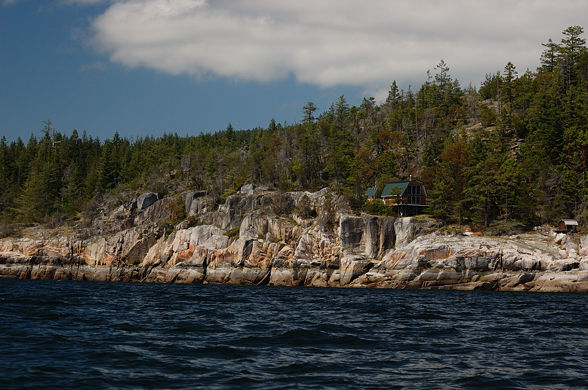


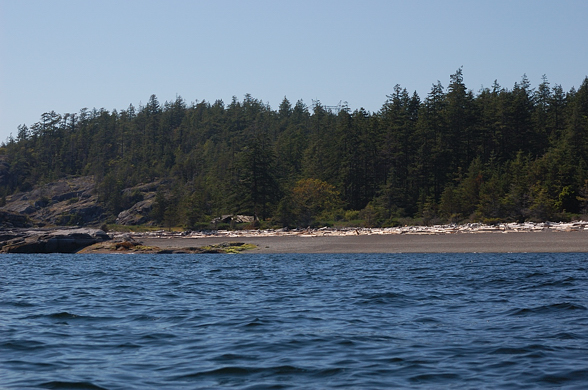
I saw on Google Earth that there is a really nice south-facing beach on Nelson Island. I soon saw it and it was indeed beautiful. It did have a powerline behind it feeding Vancover Island via a sunk cable and over Texada Island. But once you overlook that it is an absolutely gorgeous spot. I was dismayed to see a single house at one end of the beach but then on further inspection it was pretty run down and likely abandoned. I will have to look into the status of this area and it if is not park land I will be lobbying for it.

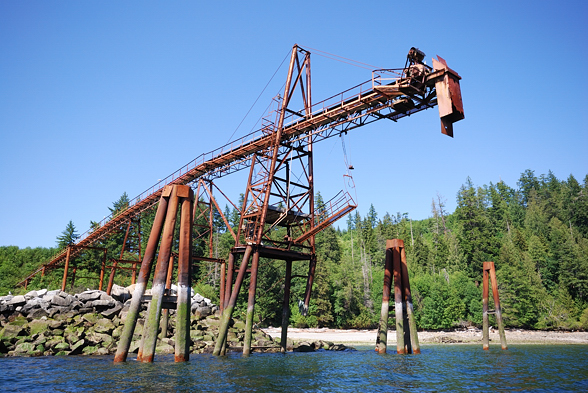
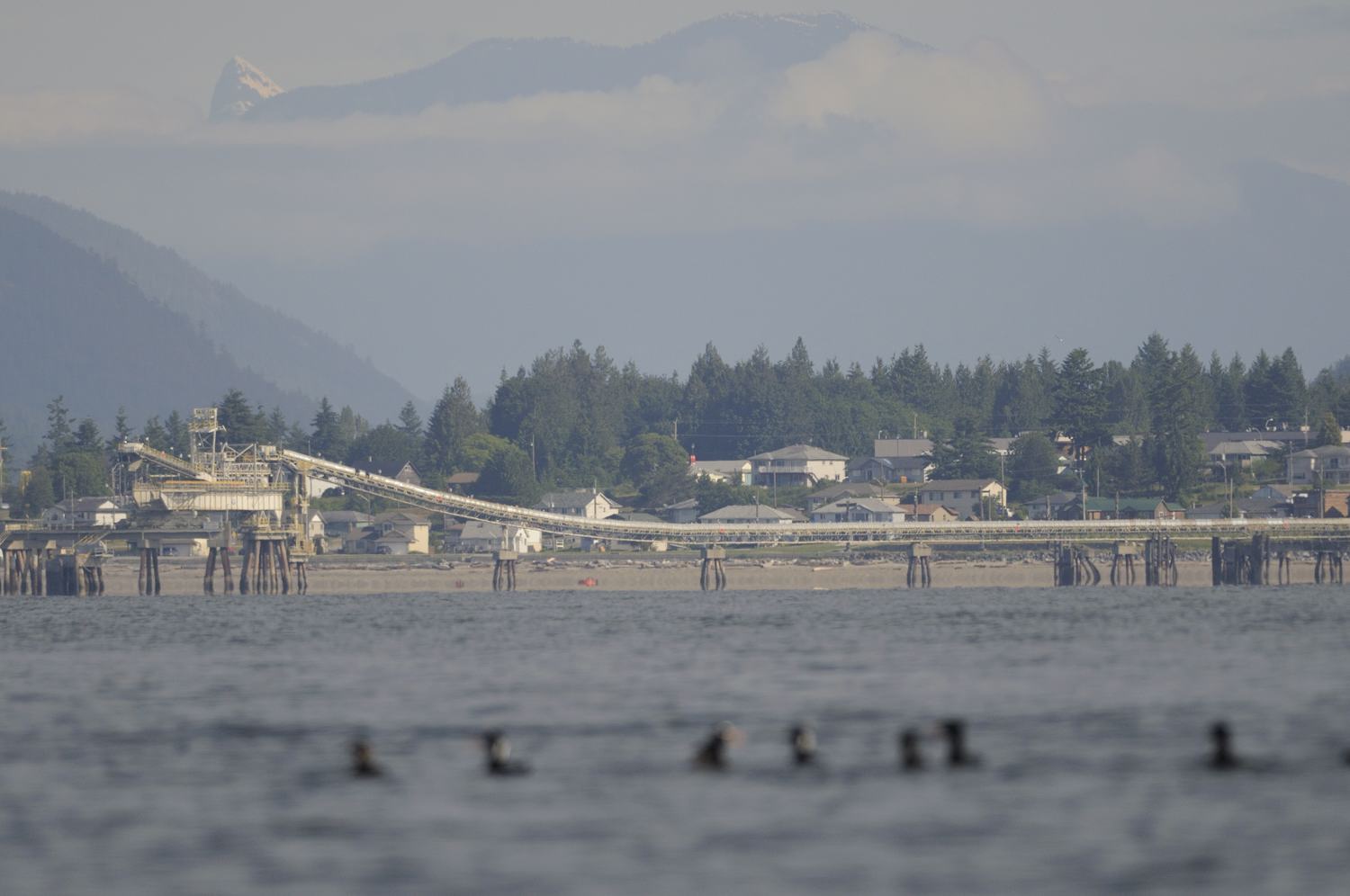
There is also an old rusty shiploading conveyor port nearby. I would guess this is for an old coal mine.
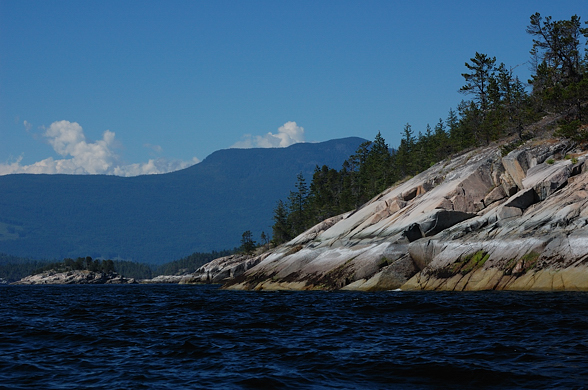


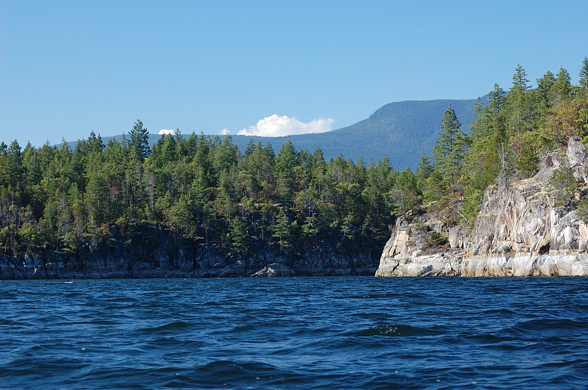
I had a nice tailwind again and decided to camp somewhere in Blind Bay, separating Nelson Island from Hardy Island to the north.
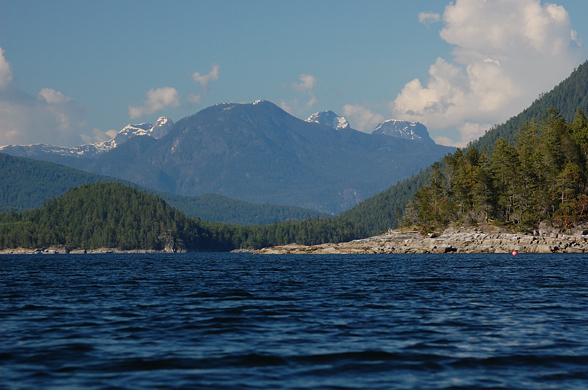
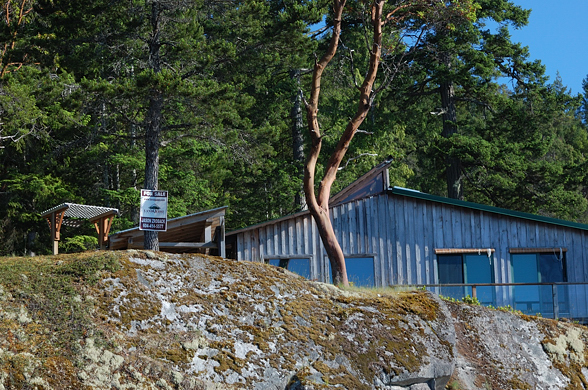
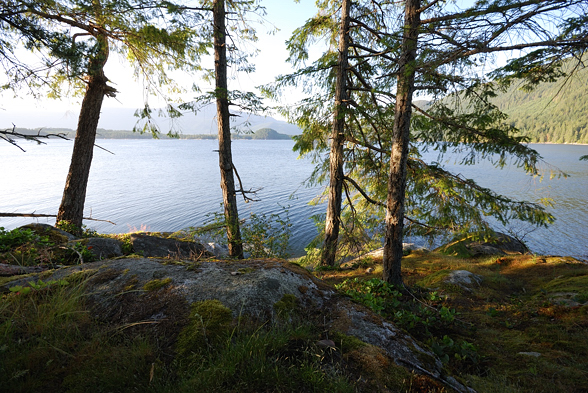
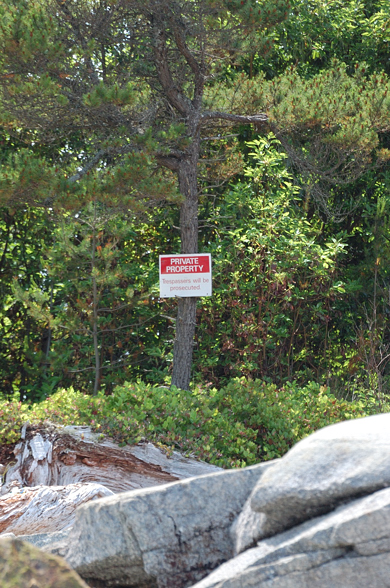
Once I entered the bay the water became calm like a lake. It was really pretty here but there were houses all over the place. It seems all the land is privately owned and all the nice spots have a house on them. I finally found a little cove with a steep climb up to a beautiful spot where I could camp. The beach was covered in razor sharp oyster shells. I saw no signs telling me to keep off so I didn’t care that it was private land.
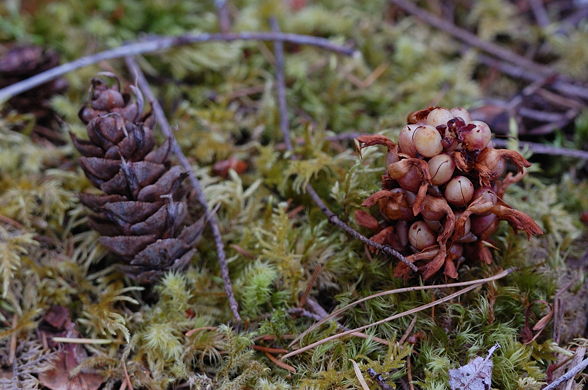
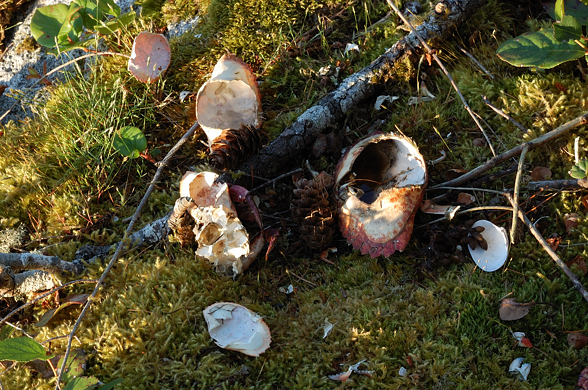
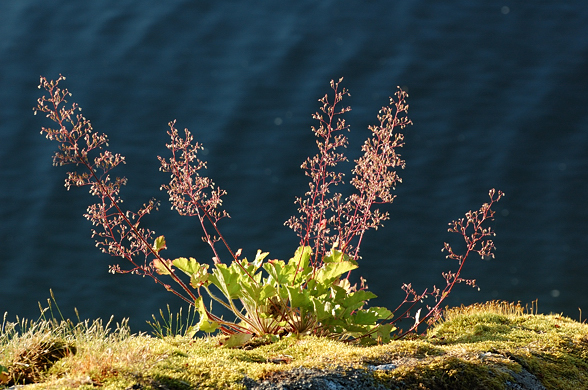
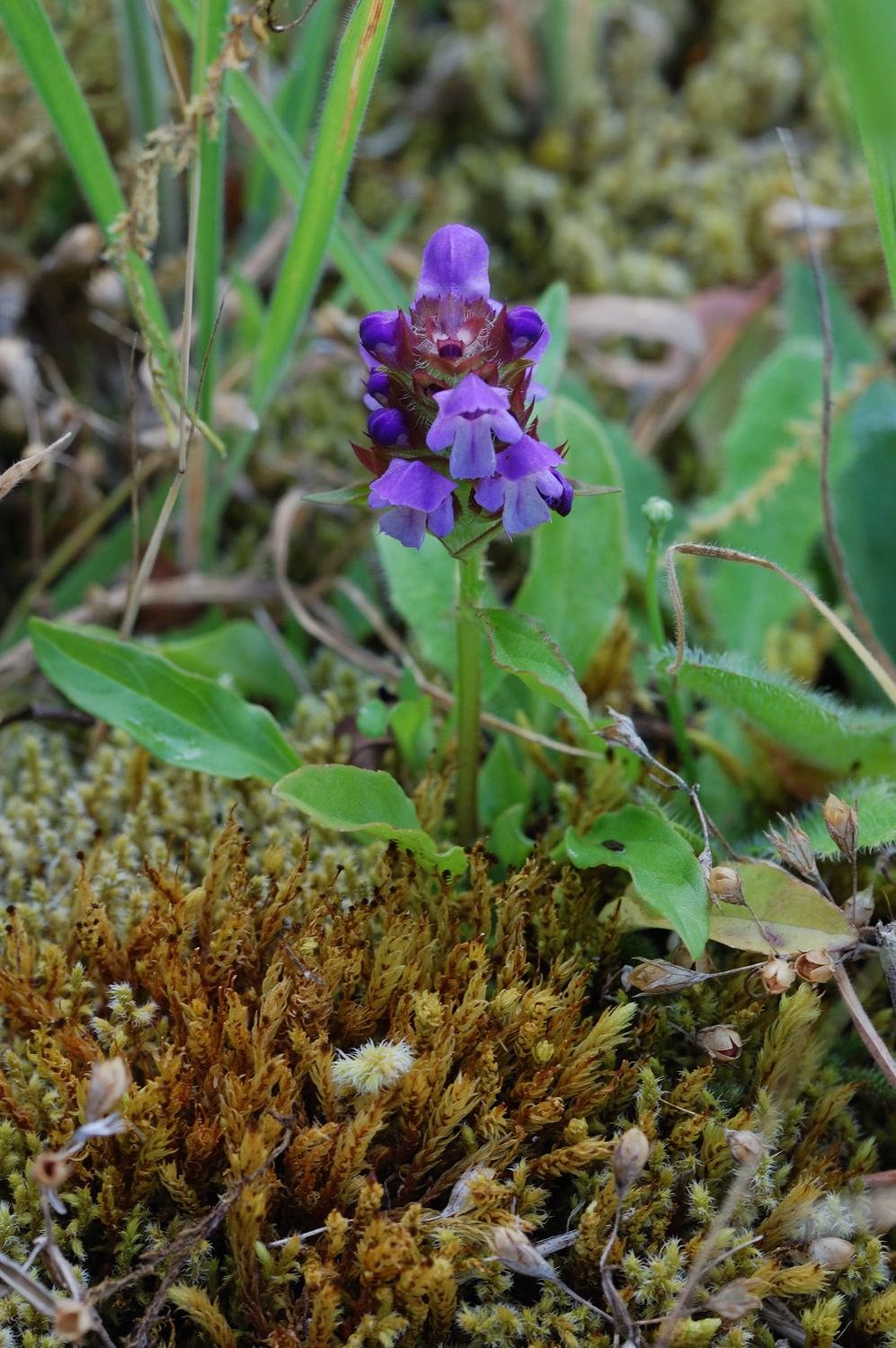
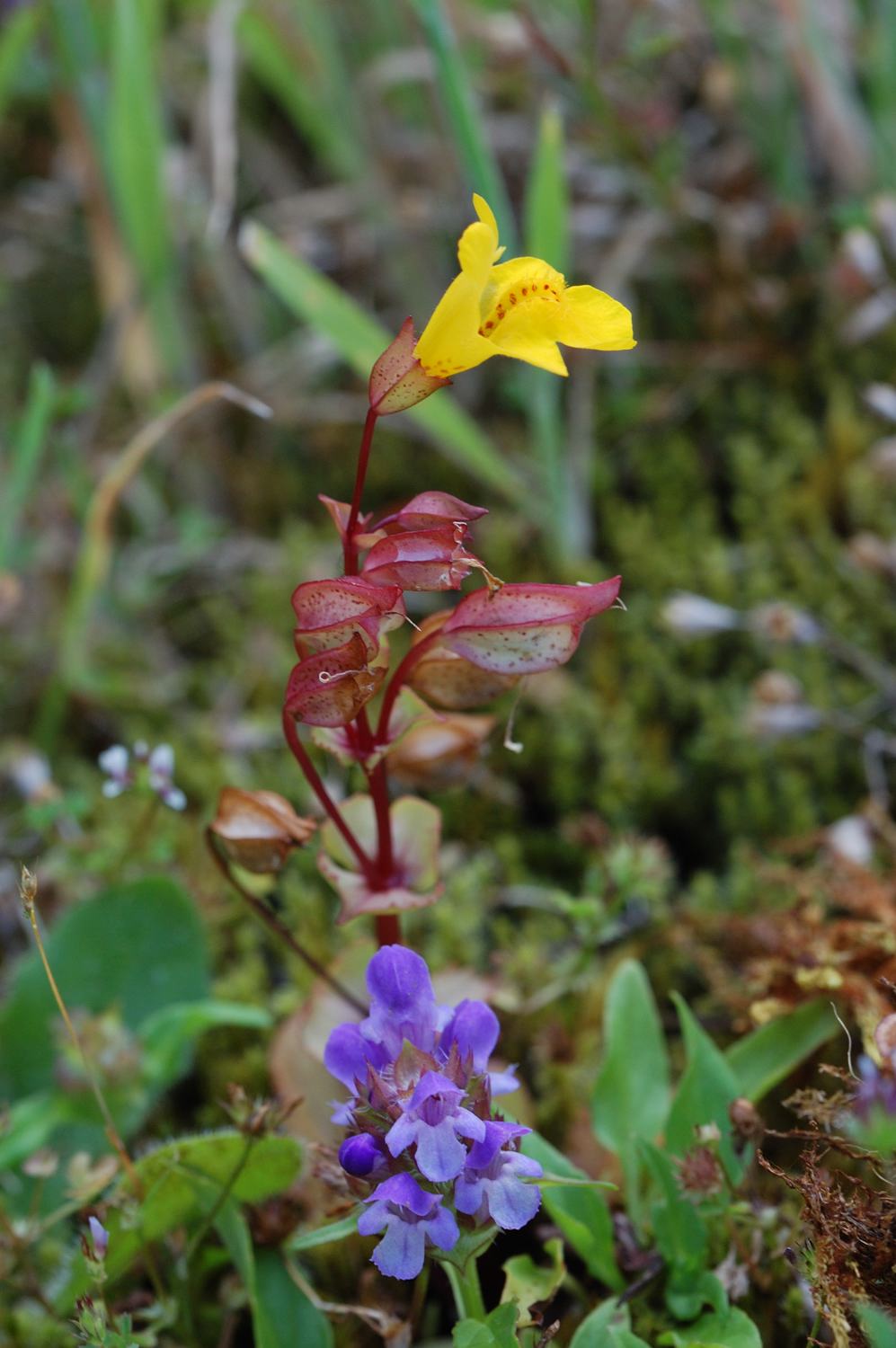
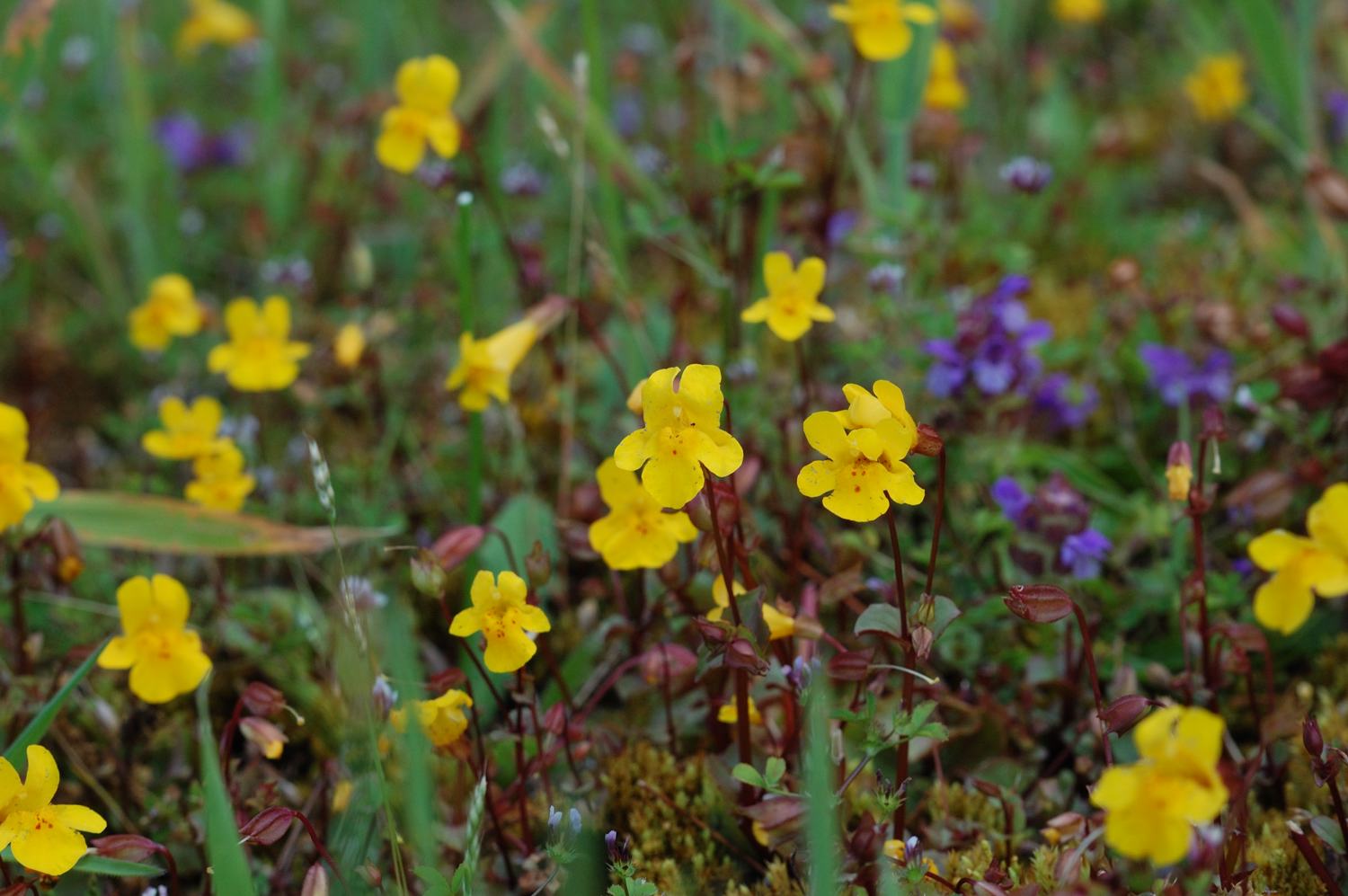
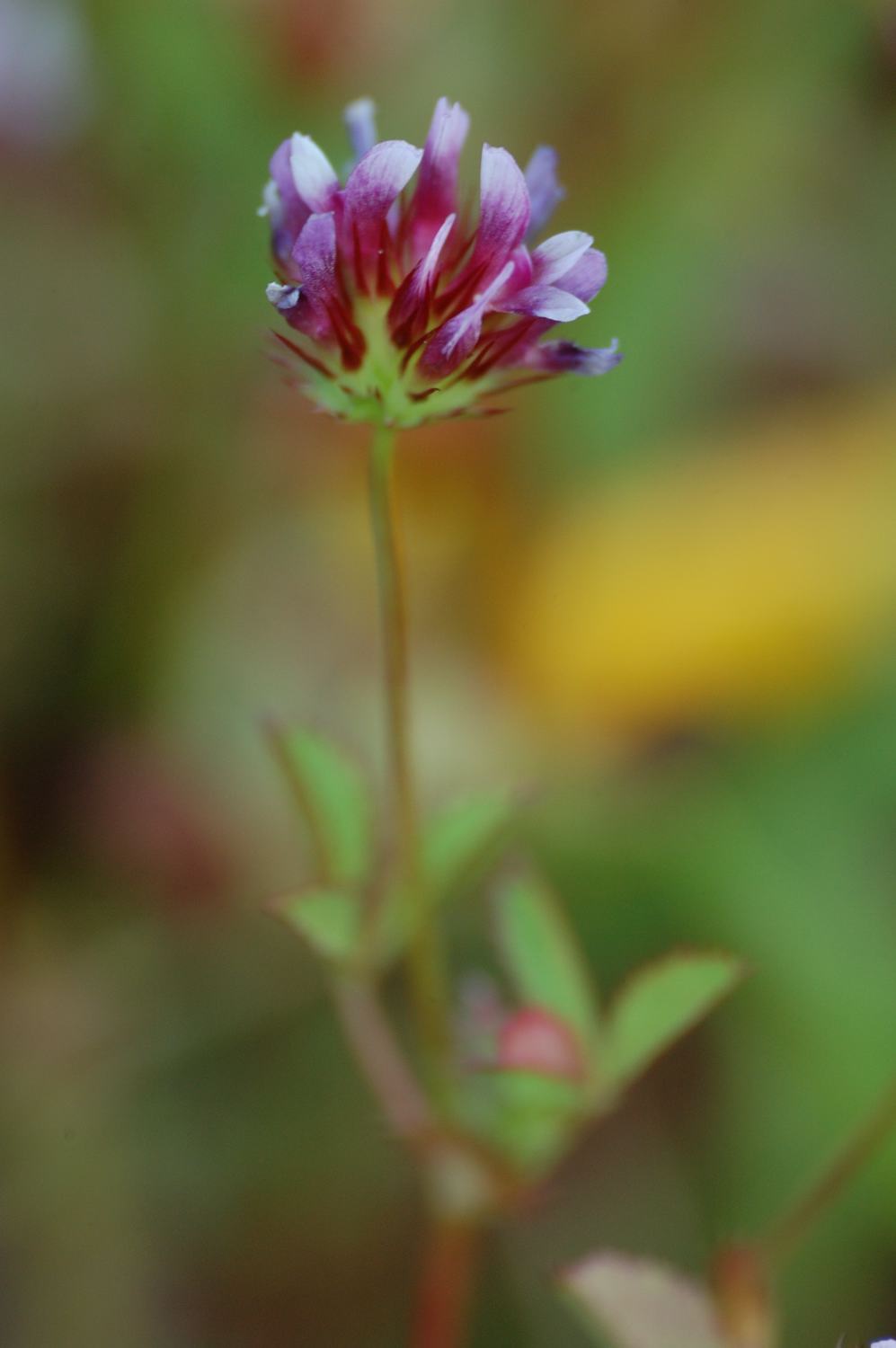
This area has a lot of interesting plant life. The bushes are mostly evergreen huckleberry, which is more typical of the outer west coast. The rocky soils also support ground cone, a parasitic plant which lives off salal roots. There were also several other interesting species.

And nearby my tent site on the rocks overlooking the water were many piles of regurgitated fish bones. It seems some fishing bird likes to come here and watch out over the bay.


The evening was stunning with a beautiful sunset.



The next morning I got up early feeling very refreshed. I chalk that up to the big rocky lump underneath the middle of my back last night. Apparently this does wonders for my back so I’ll have to look into accommodating something similar in my bed after the trip.
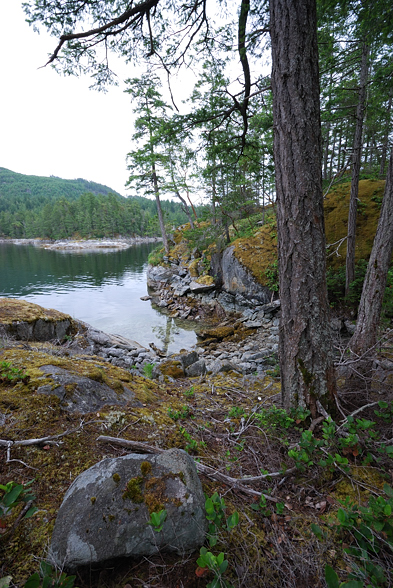
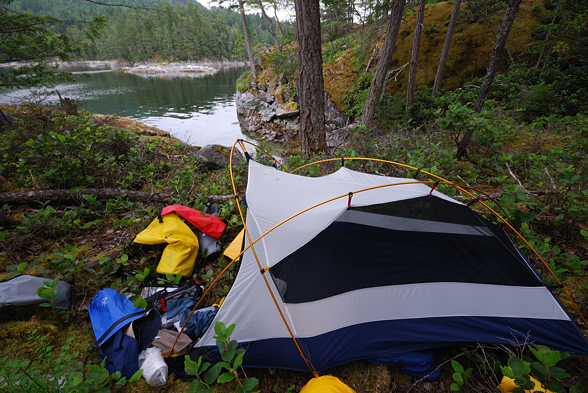

I headed out on a high tide and calm winds. I made it to Jervis Inlet and crossed over the two and a half kilometre wide Agamenmon Channel to the Saltery Bay ferry terminal.
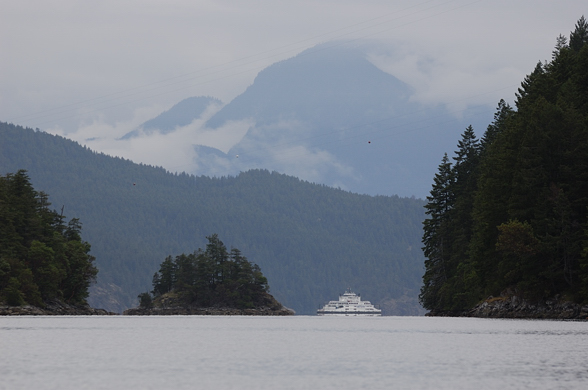
This channel has some nice soft coral gardens. As the tide rips through the channel into and out of Jervis Inlet it carries with it lots of planktonic food for the gorgonian fan corals to filter out as they position themselves to maximize the current flow. These corals are different from the tropical reef building corals because they do not secrete calcium carbonate skeletons and so do not form reefs. To build reefs requires lots of sunlight, which there isn’t much here at 100 feet down. What there is, however, is lots of nutrients from upwelling currents, and therefore lots of plankton. That is the difference between these corals and tropical ones – these ones get food from plankton, and tropical ones get food from the symbiotic algae which live in their tissues and create food from sunlight. This is possible because tropical seas are so nutrient poor. This poverty supports low plankton populations and is why tropical seas are so crystal clear blue. The seas here are dark green. Many tropical reefs are under threat because of nutrient runoff from agriculture which increases nutrient levels, and the corals get smothered in algae. The gorgonian gardens here are threatened by trawling, which rips them up off their bases. They grow much too slowly to be able withstand this.
I was planning to take some form of public transit to Lund, 40 km up the coast, since I did not want to paddle past more endless houses along the Powell River stretch, and I couldn’t find any nice spots beforehand to camp near Powell River. But the people at the ferry terminal told me that I could camp almost right in the middle of Powell River, right on the beach! Nice! Exactly what I wanted. So I went and had a great hamburger for lunch, then continued up the coast.
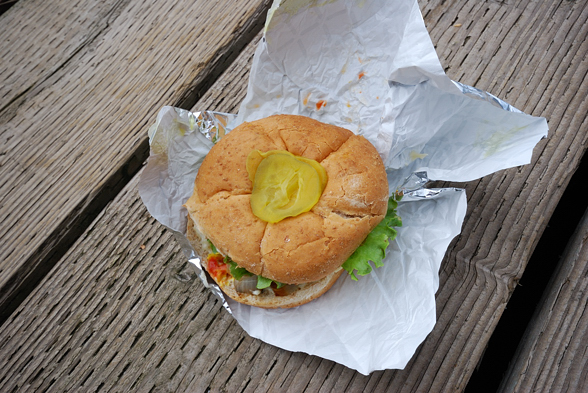
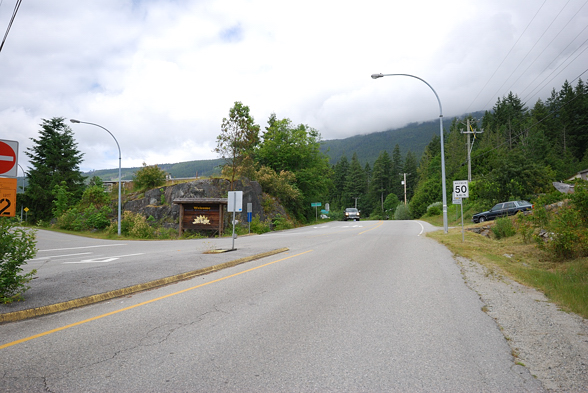
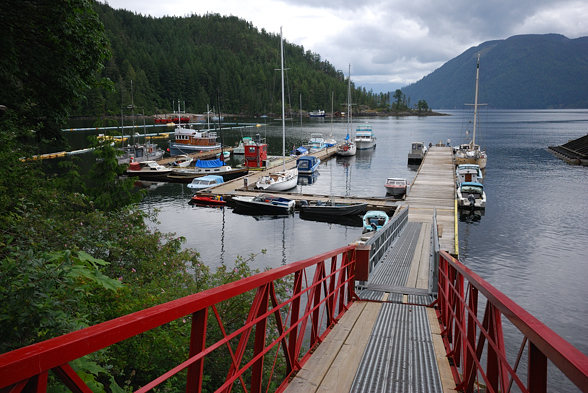


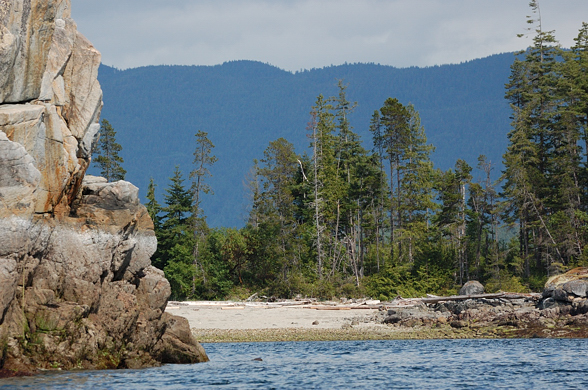
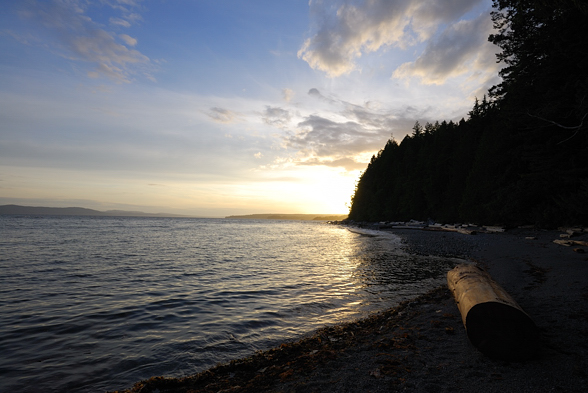
Finally, just before Stillwater Bay and the log boom sorting yard, there is a great beach backed by thick forest. This was exactly what I was looking for again, just what I wanted to see at the end of the day!
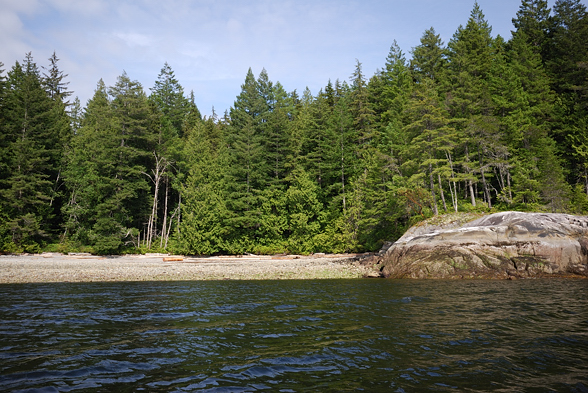
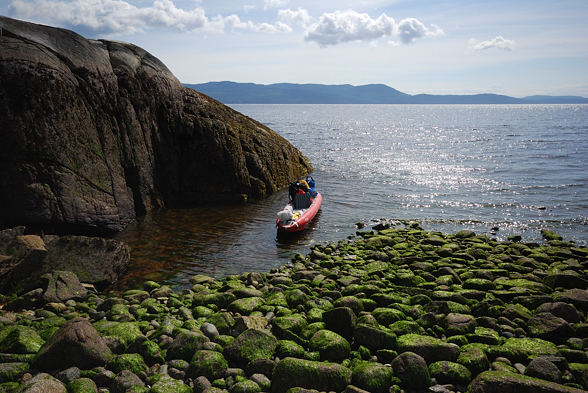
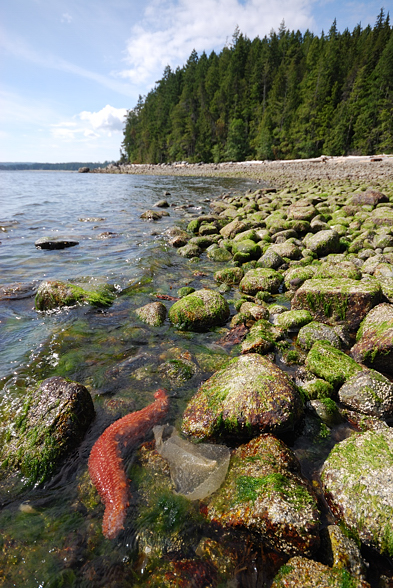


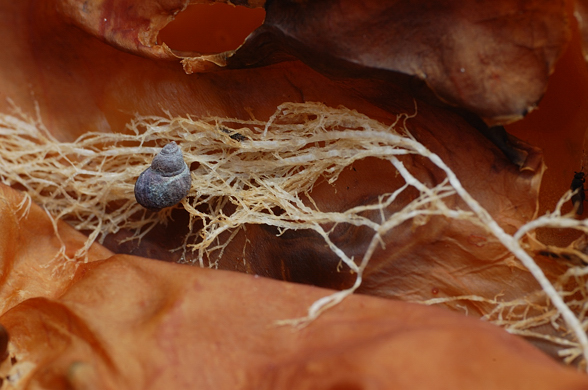
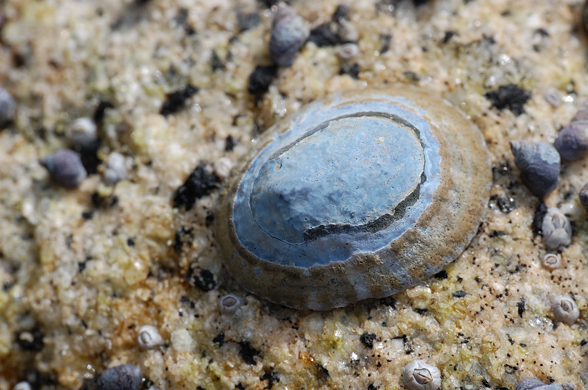
It would be another 20 km into Powell River tomorrow. I was worried about not having enough water since I foolishly did not fill my water container while I had the opportunity to earlier. But at the top of the beach was fresh water seeping through the rocks!

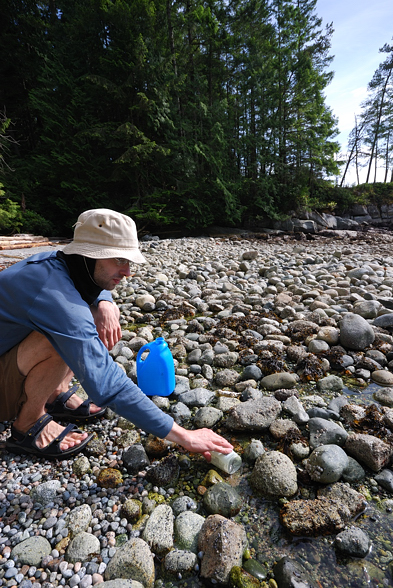
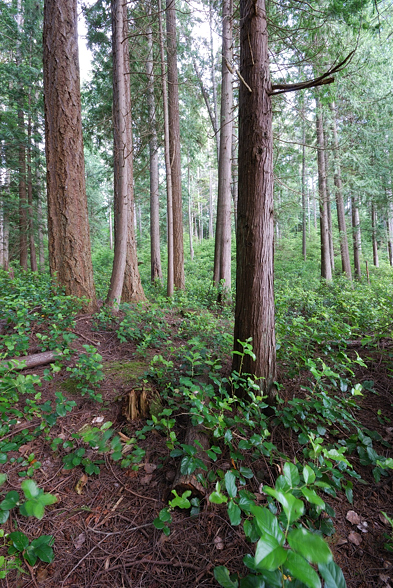
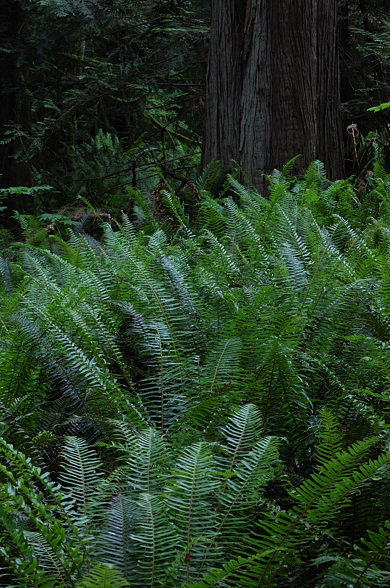
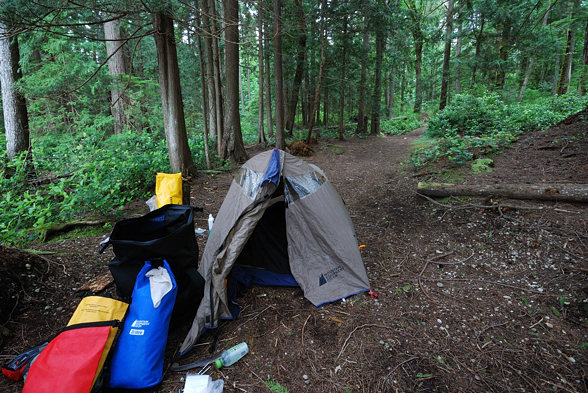
And there was a trail leading into the forest with a nice flat cleared area. This is some kind of a park but there was little evidence that anyone had been here lately. The forest is really nice and typical west coast rainforest. There were giant firs, cedars, and hemlocks and a nice understory of vegetation. I picked some salmonberries to eat. I had a huge serving of three cheese lasagna but I was still hungry.



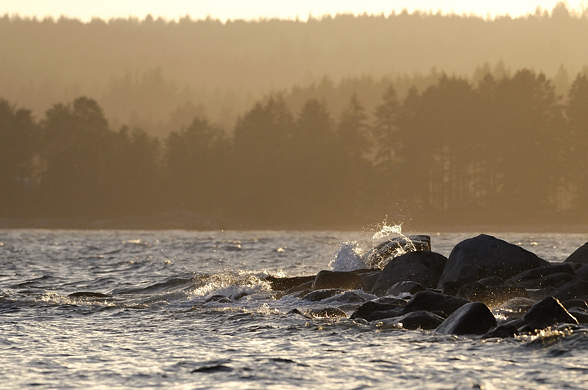
I headed out early next morning to calm winds and went by the log booming yard. Years ago when working for MacBlo I came down there once to help sort out the equipment in the forest fire fighting shed. Apparently the log booms get hauled here and then a giant grapple lifts out the logs and then they are further sorted and put on trucks or back into booms I would presume.


I continued up the coast under bleak skies and endless waterfront houses. This stretch isn’t particularly interesting and the skies suited my state of mind that morning. I just wanted to get to Powell River. After a couple hours the headwind picked up and I was fighting the current too. I hugged the shoreline as closely as possible since the current will be slower there, as well as the headwind. I just kept plodding along since I had to get to town that day. I rounded point after point hoping to see Powell River just around the corner. I was getting cold from the wind and light drizzle. I kept reminding myself that tough times never last but tough people do. And what do tough people do in these circumstances? Well, they take a break and eat some food. So I anchored off a beach (using my crab trap – double duty) and ate the rest of my non-cookable food, and waited out the weather for 45 minutes. I was cold, wet, and sore, facing headwinds and head currents, but luckily I wasn’t tired or hungry.

The winds diminished a bit so I continued on and photographed a deer on shore.


Later on I saw a head in the distance. I am getting good at spotting wildlife in the water, and I’m able to discern things with pretty good precision now. Seals are everywhere and they bob a certain way. Floating wood bobs a different way. Deadheads bob yet another way. When you see a head and it MOVES to the side, you know it’s something else. I knew this was an otter heading for shore so I whipped out my camera and got some shots of it as it got to shore and started eating its catch – a flatfish. It didn’t take long and then it went back into the water and a raven came down to pick up the scraps.


Finally, after one last point, there was Powell River.


And then the sun came out and the winds died! This extra boost of confidence gave my energy a boost. I tried pushing the pedal to the metal to see how hard I could paddle. Boy, are my arms getting strong, after only 10 days!!


After arriving in Powell River I headed up to the shopping mall to resupply. I was undergoing major culture shock. Everything seemed so alien after only 10 days in the “wilderness”, which wasn’t even really that wild. It all seemed so bizarre and removed and artificial, I could barely take it all in. I wonder how my culture shock will be after three months in the real wilderness. I have to spend several more days in Powell River tending to certain things, since my solar panel and charger have apparently fried two of my expensive camcorder batteries, and I need to rig up a better mounting system for my underwater housing so that I can record underwater as I paddle. Interestingly, after a couple days I now don’t find the civilization that bizarre anymore. I seem to get culture shock coming OUT of the wilderness but not when I go IN.
Thormanby Island to Nelson Island
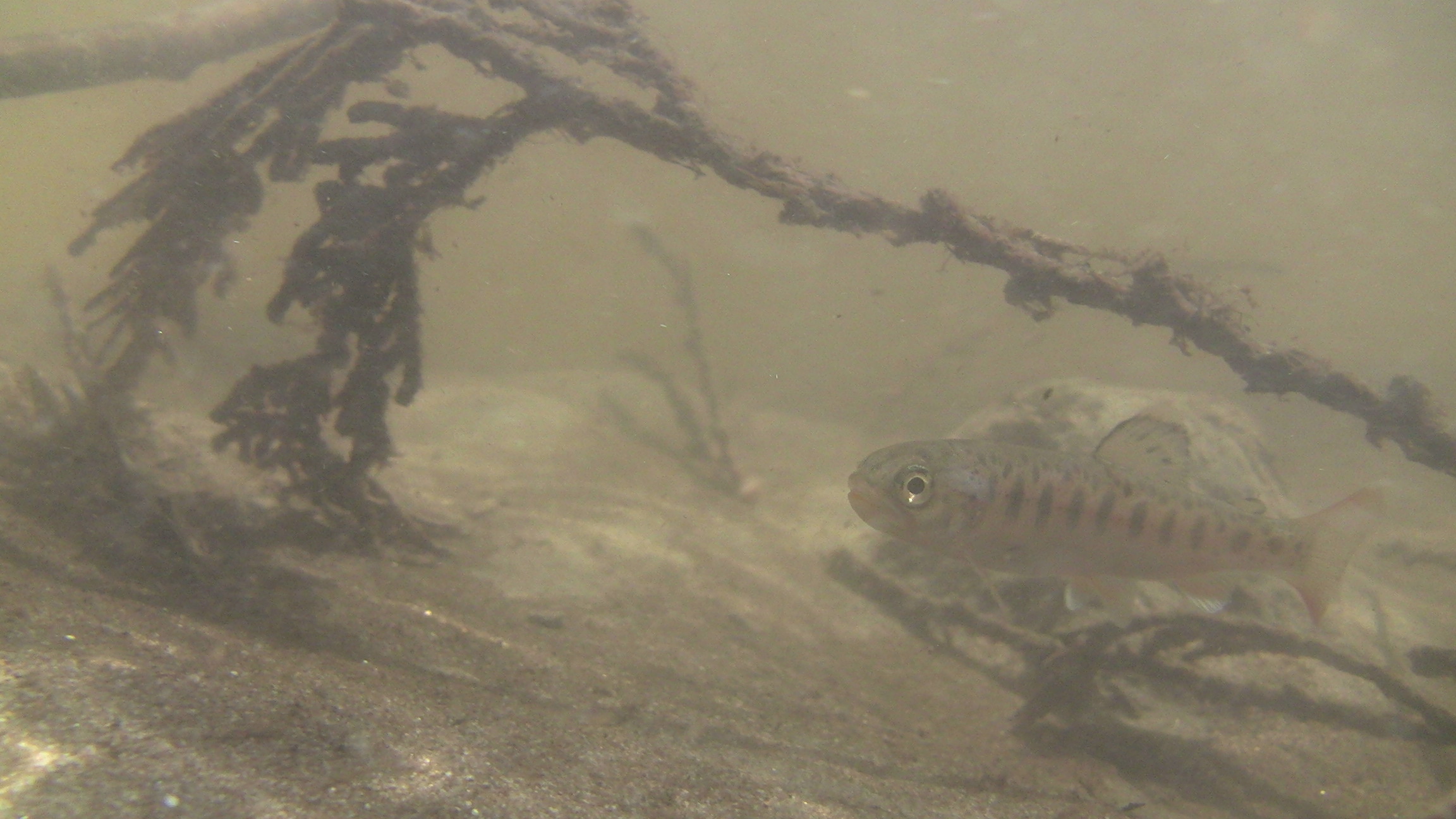
I packed up in the morning ready to go, and around lunchtime went down to the low tide to try to get some more shots with my underwater housing. I still had the tide, sun, and wind in my favour, but this time the water was very cold. It was chilling me way down and my hands were getting sluggish. I guess some deepwater current brought it up with the wind shift. I got a few good shots but I still need more practise. I found a small penpoint gunnel half in the mouth of a Red Irish Lord sculpin, struggling for its life. I didn’t get many good shots because I was aiming too high. Eventually the sculpin ate the whole gunnel.
I then left the island and started heading up the coast. I called my grandad in Ontario. The wind pushed me up the coast like usual. I went through the passage between Thormanby Island and the mainland, which is Smuggler Cove Provincial Park.
Once past the last point I allowed myself to drift in the wind and had lunch which consisted of a Clif Bar, walnuts dipped in honey, and dried dates dipped in peanut butter – pure energy!
I could then also see the western part of Thormanby Island which is totally different from the eastern side. It is not parkland and is covered in more verdant forest, having deeper soil. On the north side is steep cliffs leading down to the water, and a big sandy beach. There are also lots of houses. In the middle is Buccaneer Bay with a nice beach, but I didn’t go.

Also now I was passing by the southern tip of Texada Island, a 50 km long mostly undeveloped island off the Sunshine Coast. I headed for Pender Harbour, where I was planning to spend the night and resupply in Garden Bay. I took a straight line for the point and went away from the coastline. I was out in the middle of the water and the wind was getting pretty strong. There were big waves coming in from Georgia Strait behind me. I was able to kind of surf down some of the larger ones for a bit. I got to the entrance of Pender Harbour while the winds died down. I noticed that the tide was also taking me in the direction I wanted to go since I was moving pretty fast. I decided not to go to Garden Bay since I had no reason to. The winds were turning into a slight headwind. I would go to Nelson Island tonight, which is another large undeveloped island in the entrance to Jervis Inlet, the next big inlet into the Coast Mountains up from Howe Sound. Along the way I passed some small islands which seemed to be important habitats for birds.
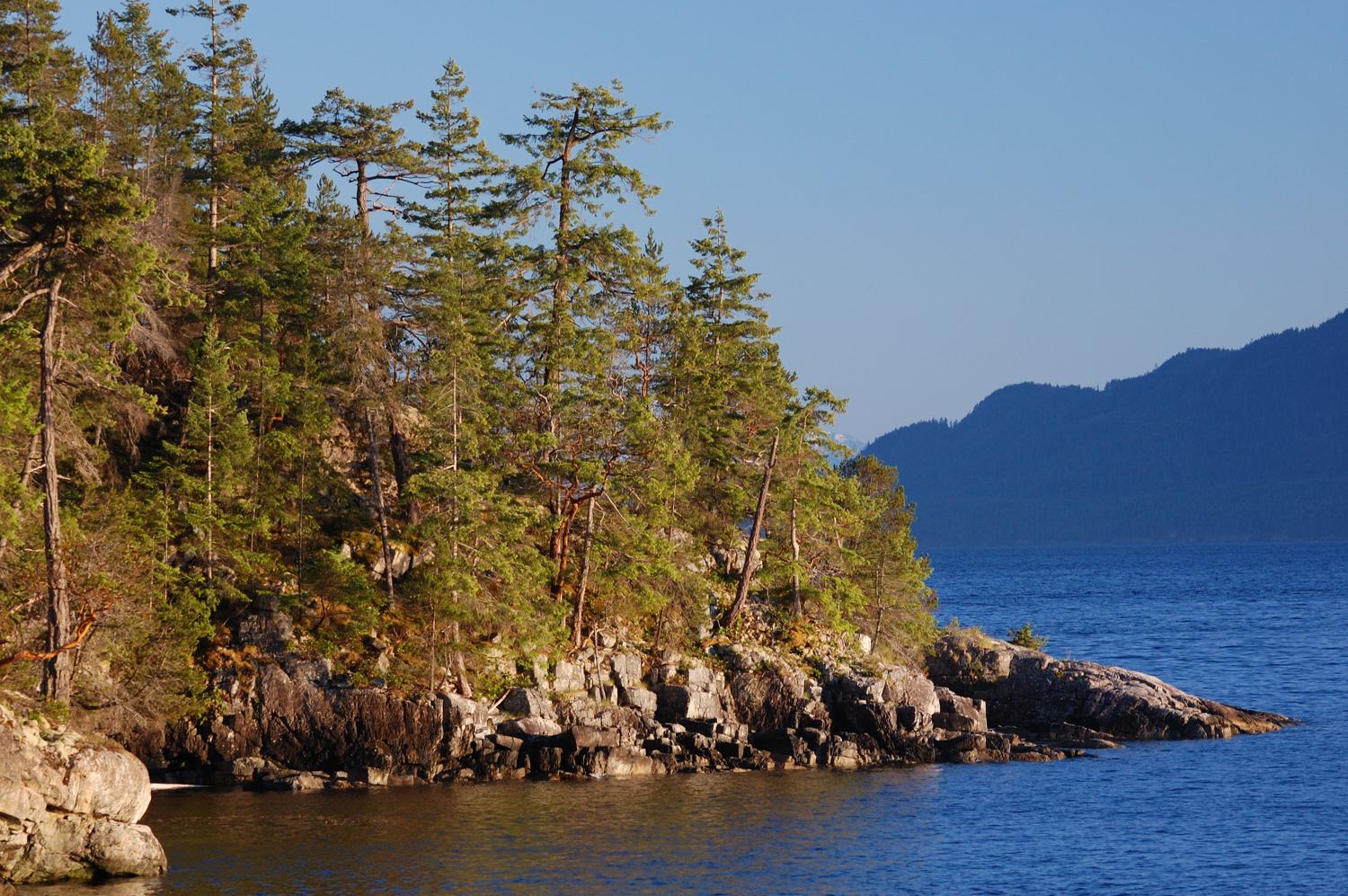
I made it to the south eastern tip of Nelson Island and was getting tired. It was mostly rocky rough bluffs so I proceeded to follow the shore until I found somewhere to camp. There were a few houses further up so I hoped all the good spots were not already taken. Luckily, I soon rounded a point and found exactly what I was looking for. A beautiful little cove with a gorgeous grassy slope above it looking out to Texada Island. Perfect, exactly what I needed! A seal watched me as I came in and a school of thousands of perch left the cove as I paddled in. I really wish I had my underwater housing set up for times like that. I set up camp since it was getting fairly late. The seal kept watching me for the rest of the evening.

Similar to the spot on Thormanby Island, this spot consisted of a moist draw supporting thick forest, surrounded by rocky headlands.


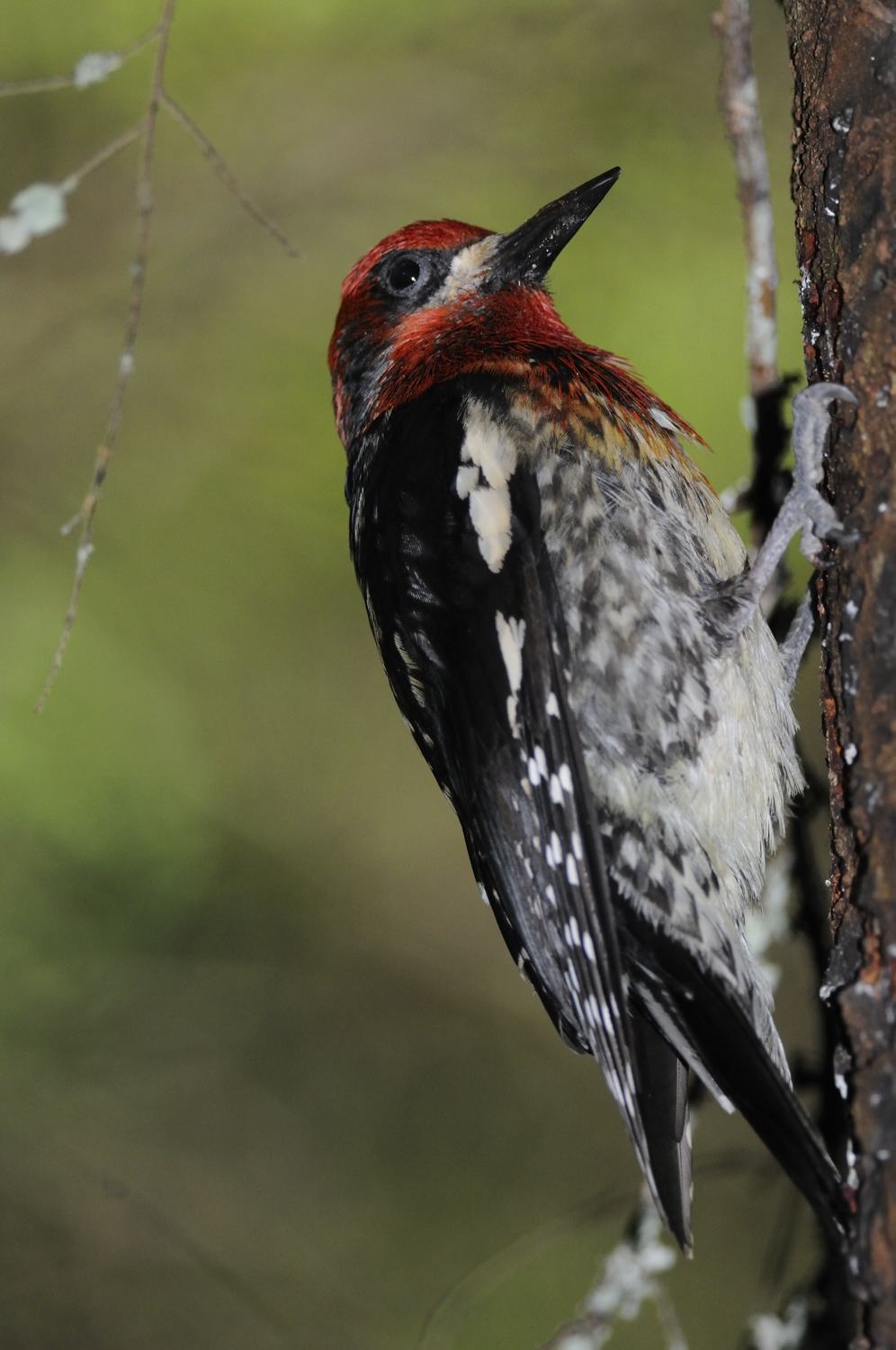
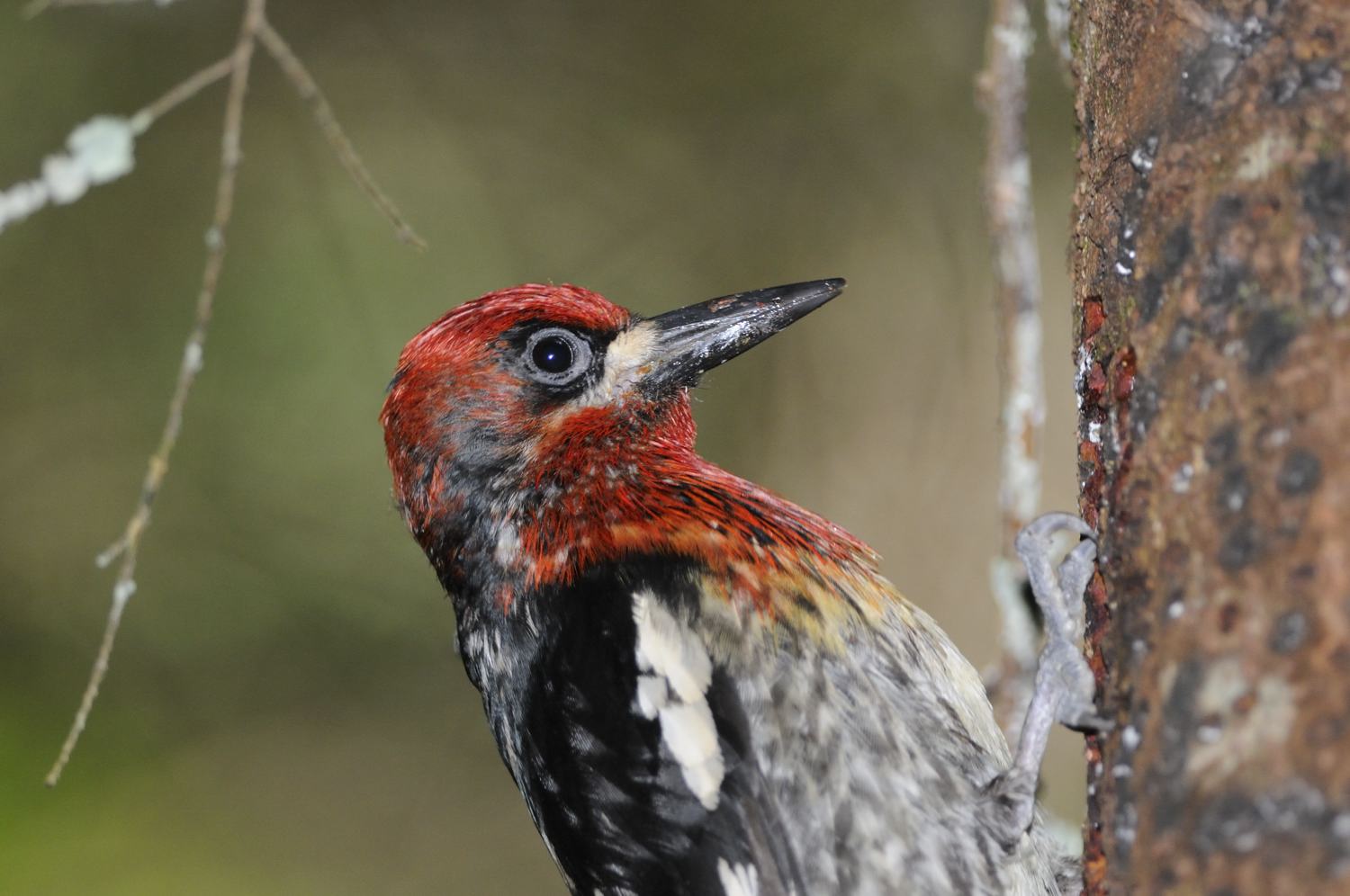
The next morning I explored this forest and was soon met by a woodpecker who swooped down to a nearby tree and made lots of noise. It was a red breasted sapsucker. I noticed that almost every tree was riddled with a pattern of holes pecked by these guys. I was happy to see the woodpecker and over the day I tried to get photos and videos. I got some good ones. They got used to me and allowed me to get very close. They seemed to like the attention. There were two birds, and I could hear a baby in a nest somewhere. It was right in the middle of the forest, way up a dead hemlock snag. The good part about this is that I could climb a nearby hill and look over to the nest hole.




This was perfect. This was wildlife and that’s why I came on my trip. I got some good shots but unfortunately I accidentally deleted the best one. Also, out on the grassy bluff, in the pine trees above my tent, was a hummingbird who came by every once in a while to pick off insects from spider webs. I got some marginal video of this, but was unable to get a still image. Hummingbirds not only eat nectar, but also insects for the protein.
There was a slight opening in the forest which was grand central station for bird life. In this spot I was trying to film two woodpeckers who were flying all around me and there were also two hummingbirds buzzing around who presumably had a nest nearby. Apparently hummingbirds associate with sapsuckers.
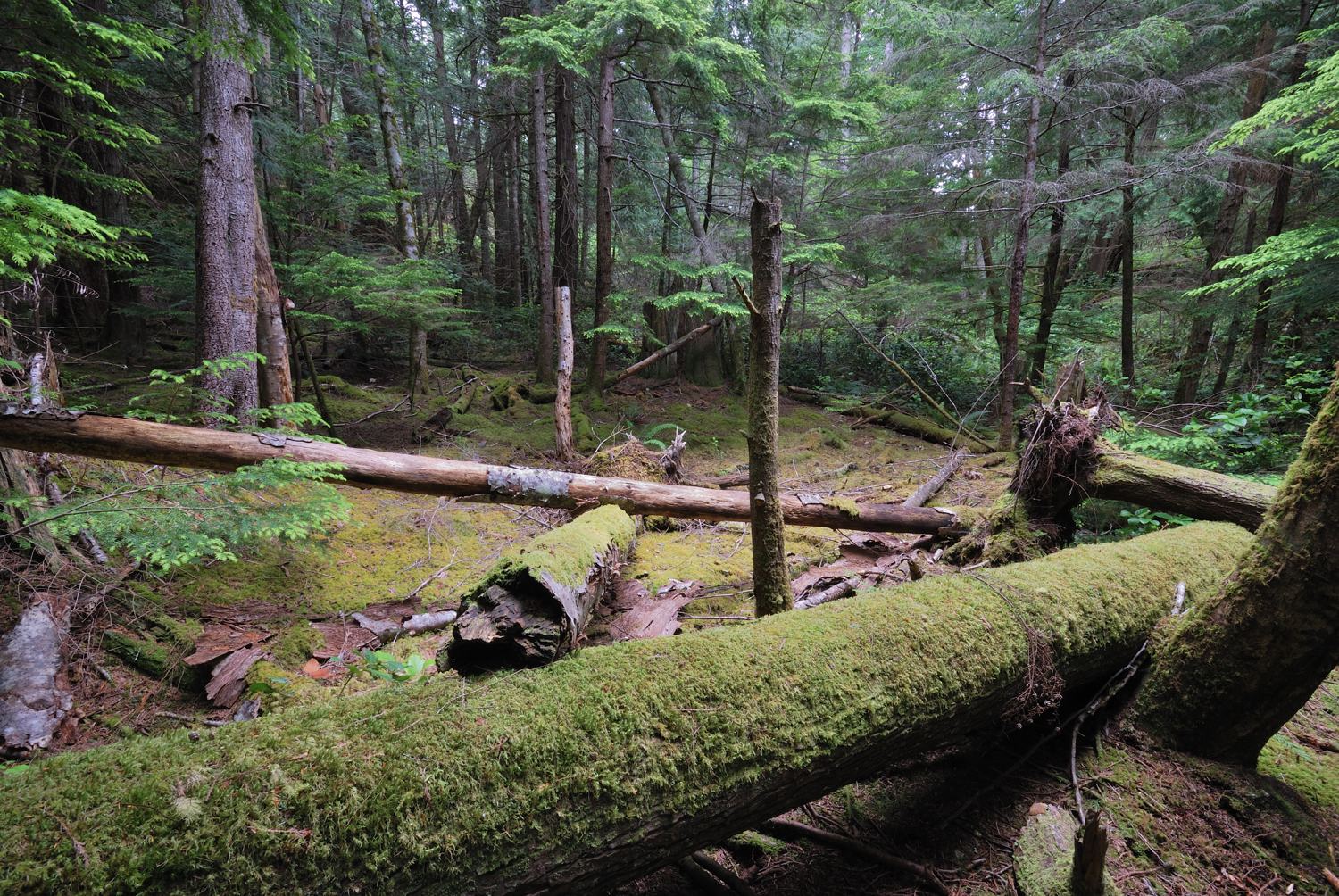
This is a good example of why it is important to protect old growth habitat because these woodpeckers like lots of standing dead trees for the biodiversity they attract. Dead trees can support more biodiversity than live ones due to all the things that feed on or take shelter in the rotting wood. Unfortunately with forestry regulations, all dead snags must be taken down when a forest is cut, even selectively, since these pose a risk to forest workers if they were to fall over. This is another reason why we need parks.


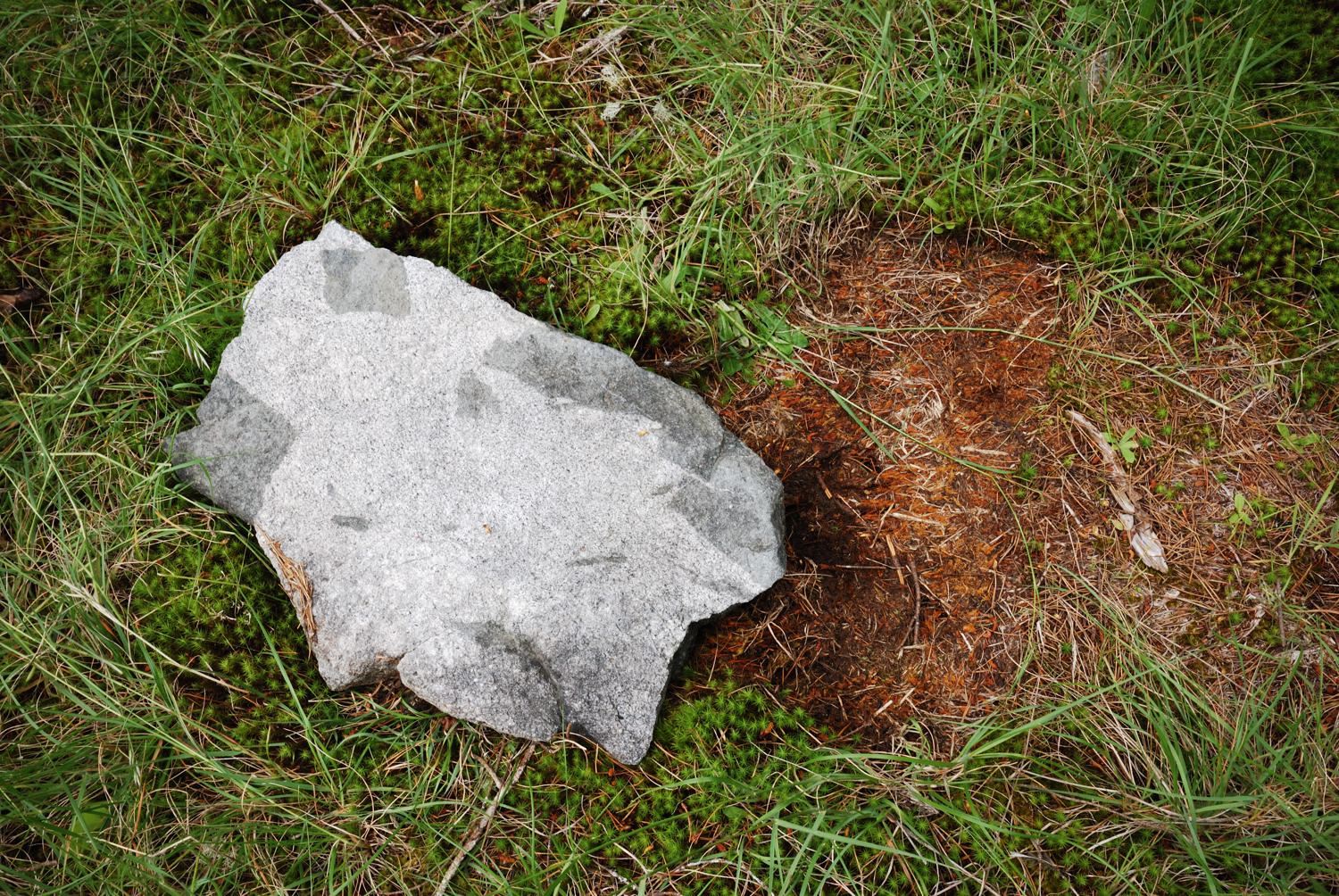
I was really happy by the end of the day. I had had a fantastic day with the woodpeckers. I discovered a spot that people rarely go to. I would leave the next morning, but not after getting more shots of the woodpeckers. On the morning of my departure shortly after I got out of my tent, three river otters swam by. These are different than sea otters since they also run around on land. They seemed to have moved up the shoreline and I couldn’t see them. I went down to the little creek to filter some water and when I was about 30 feet away I heard some noises and out came the otters from the forest. They were as startled as I was and then turned right around and went back into the forest and made lots of grunting noises.
Now, I had earlier on made a new rule to never go anywhere without my camera because it always seems that you see something when you aren’t expecting it, so I had followed my own advice and brought my video camera. I set myself up on the slope next to where the otters had come out. I could hear them splashing around in the bushes and they milled around for about ten minutes and then finally made a run for it. They looked back at me, then ran along the shore the other direction, and then jumped in the water and went out to the middle of the cove. I don’t think my presence affected them too much because they started fishing and within a couple minutes they were back on shore eating their fish. And right around this tine I heard a loud swoosh and looked to my right to see a giant pileated woodpecker on a douglas fir not far from me. This is a different species than the sapsuckers that I had become friends with earlier. It then flew out to the point and stood there for a while before flying off. And I got video of it all!
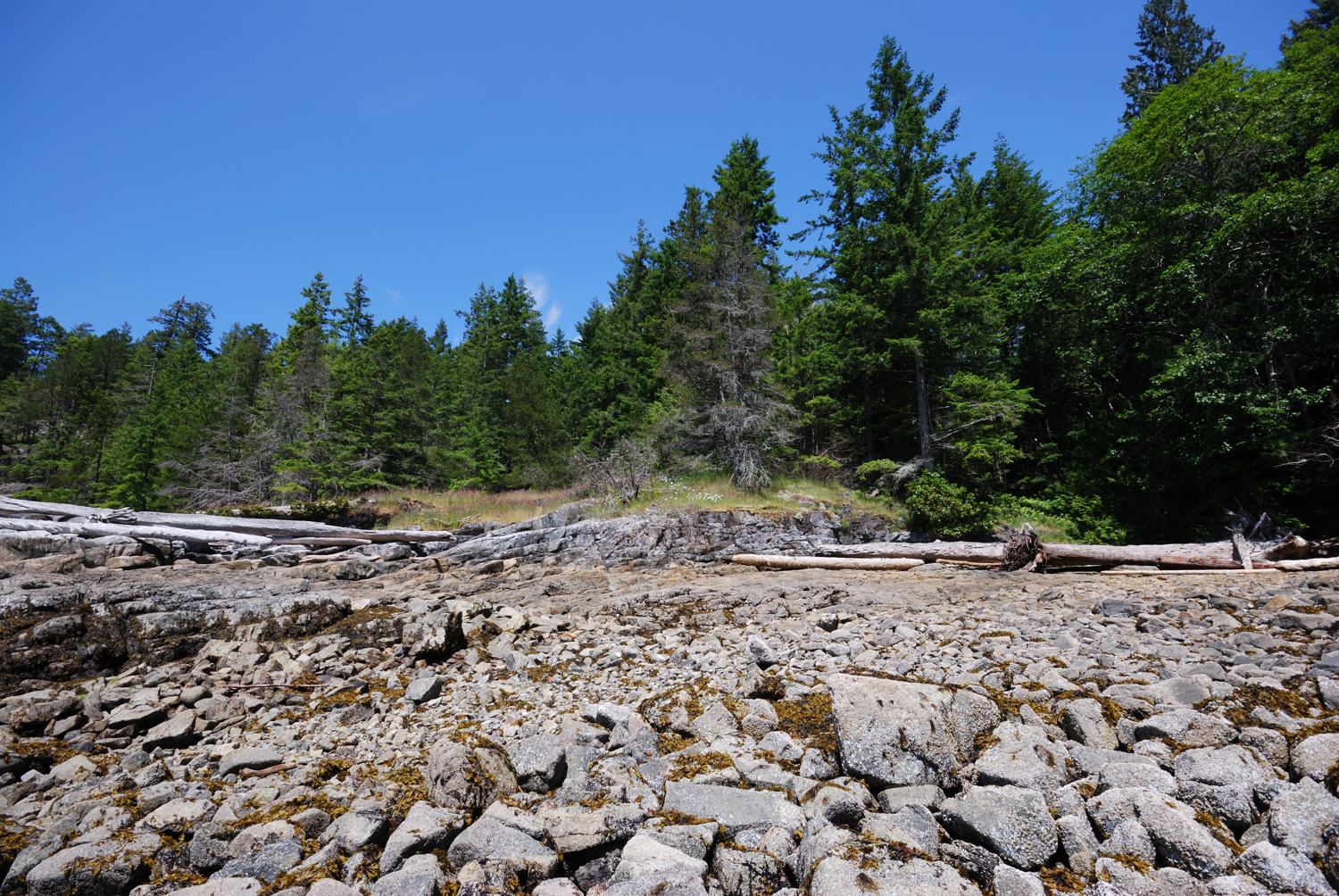
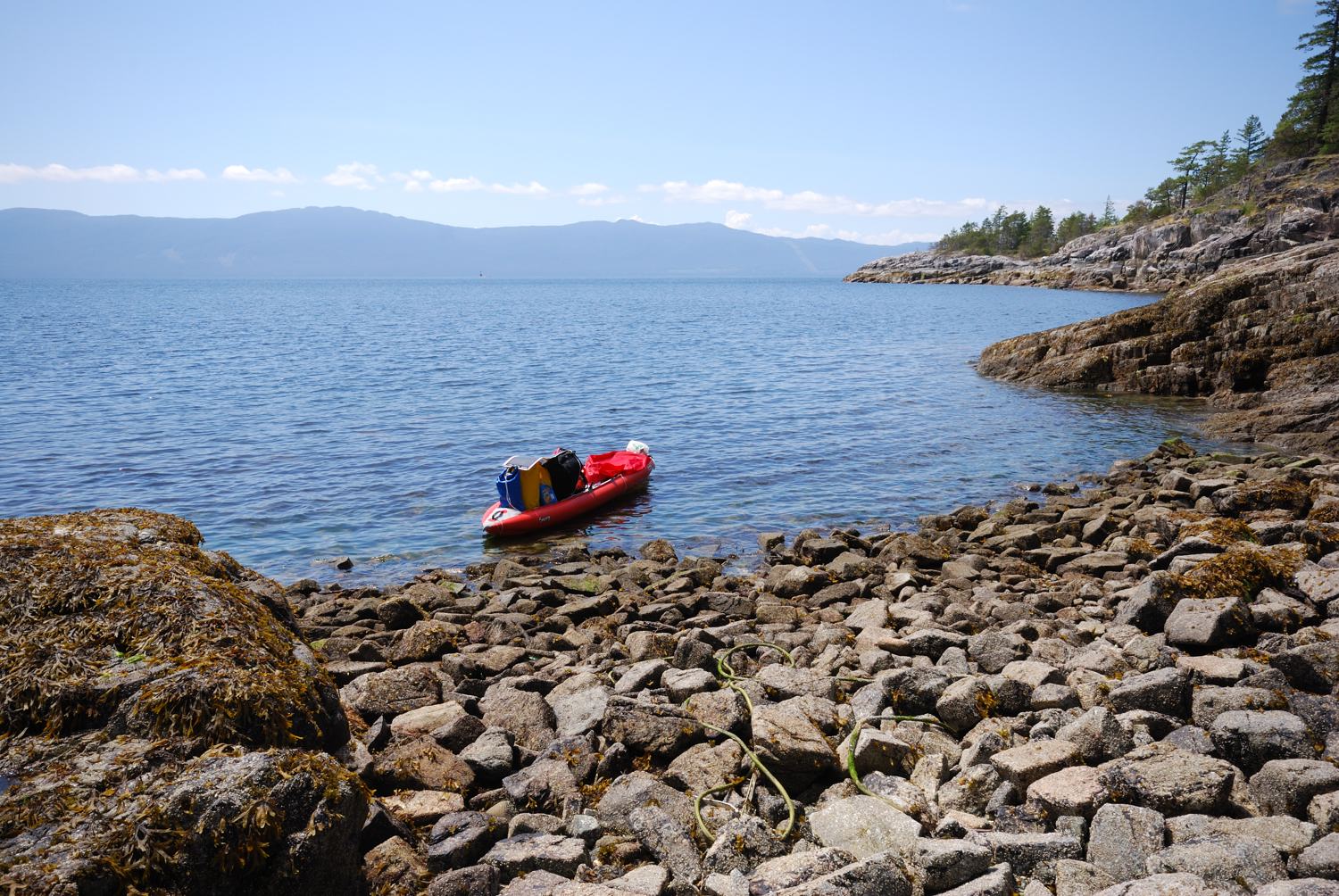
Also in this cove are the remains of a very old shipwreck. There are pieces of rusting iron bars and spikes, some of them embedded in very rotten, teredo-infested wood. I would guess this is at least 100 years old, maybe 200. I should report it and see if it is a historical shipwreck. Teredos are shellfish like clams which burrow into wood in salt water. They are a problem for the forest industry which booms wood in the ocean. You can’t keep it boomed for too long or the teredos ruin it.
Roberts Creek to Thormanby Island
I got up early the next morning to dead calm water and winds. I tried paddling without the skeg on the boat to see if it would work but no, it was almost uncontrollable. So I had to immediately come back to shore, unload, put the skeg back on, and load up again. Not a big deal, and I was still on the water by about 8:30 am.
I passed the point leading into Sechelt but kept on going straight towards some islands along my path. I called my mom on my cell phone.
These islands are really neat, despite having houses on them. There were tons of eagles, and nests. I got lots of photos.
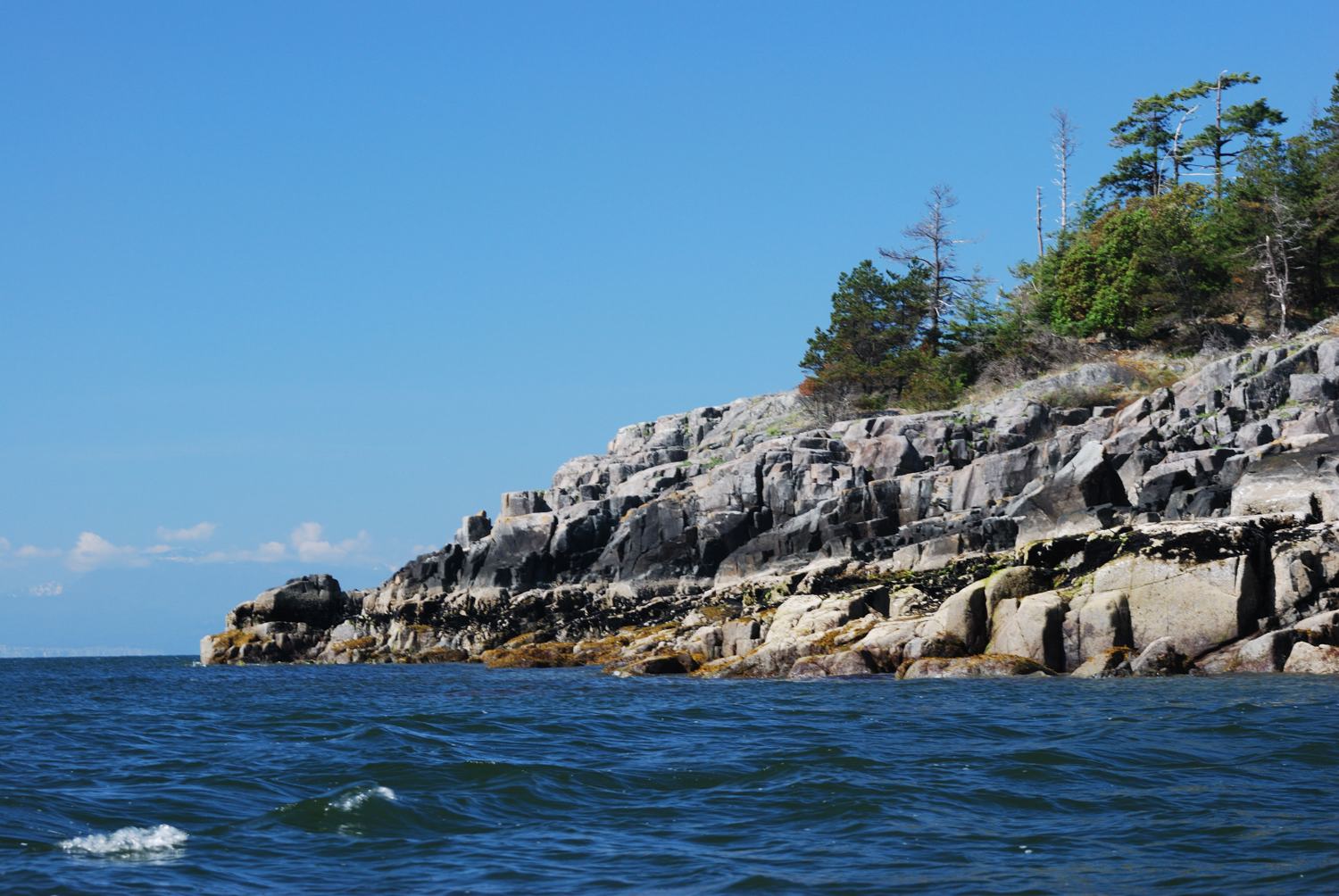
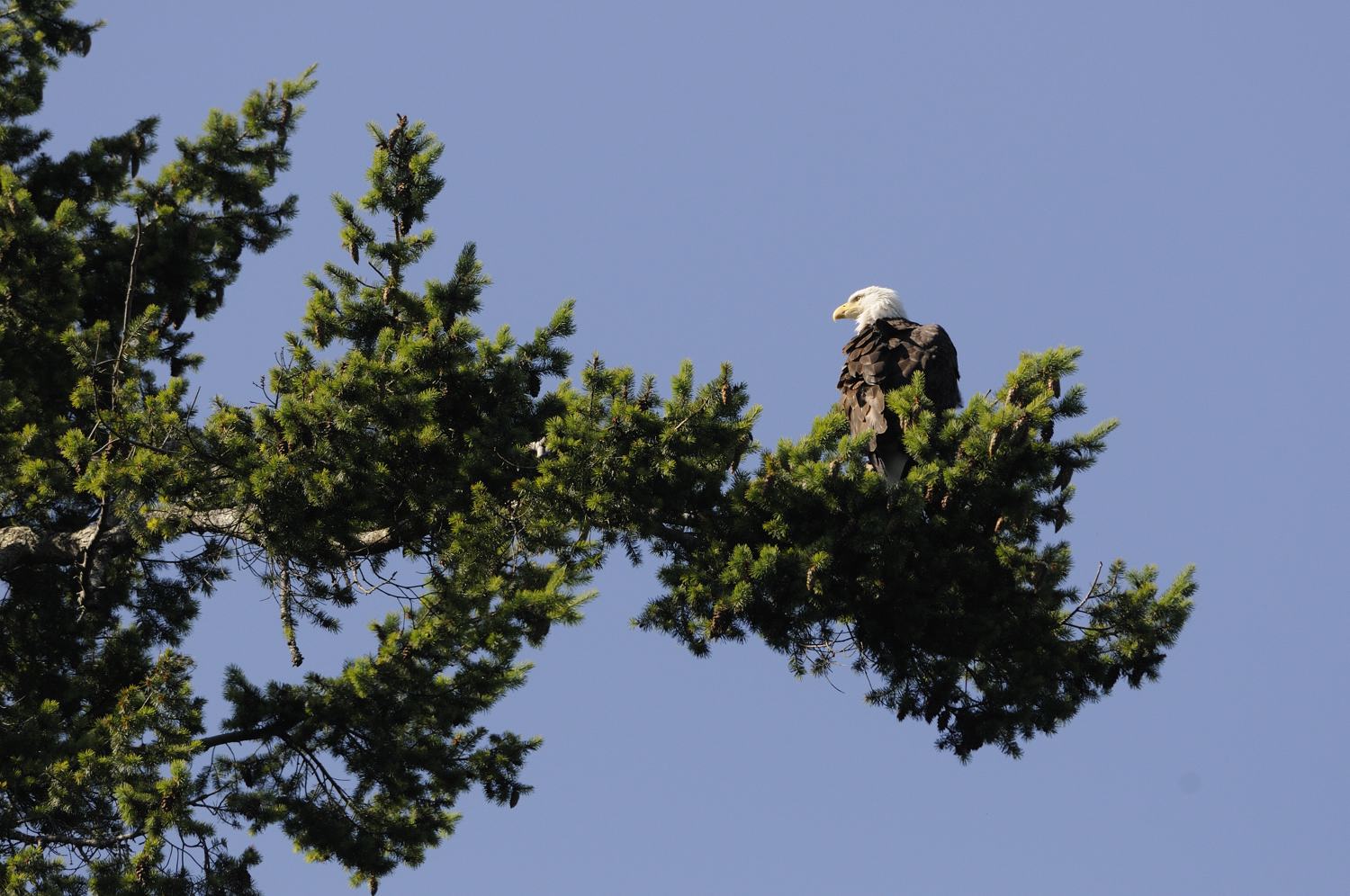


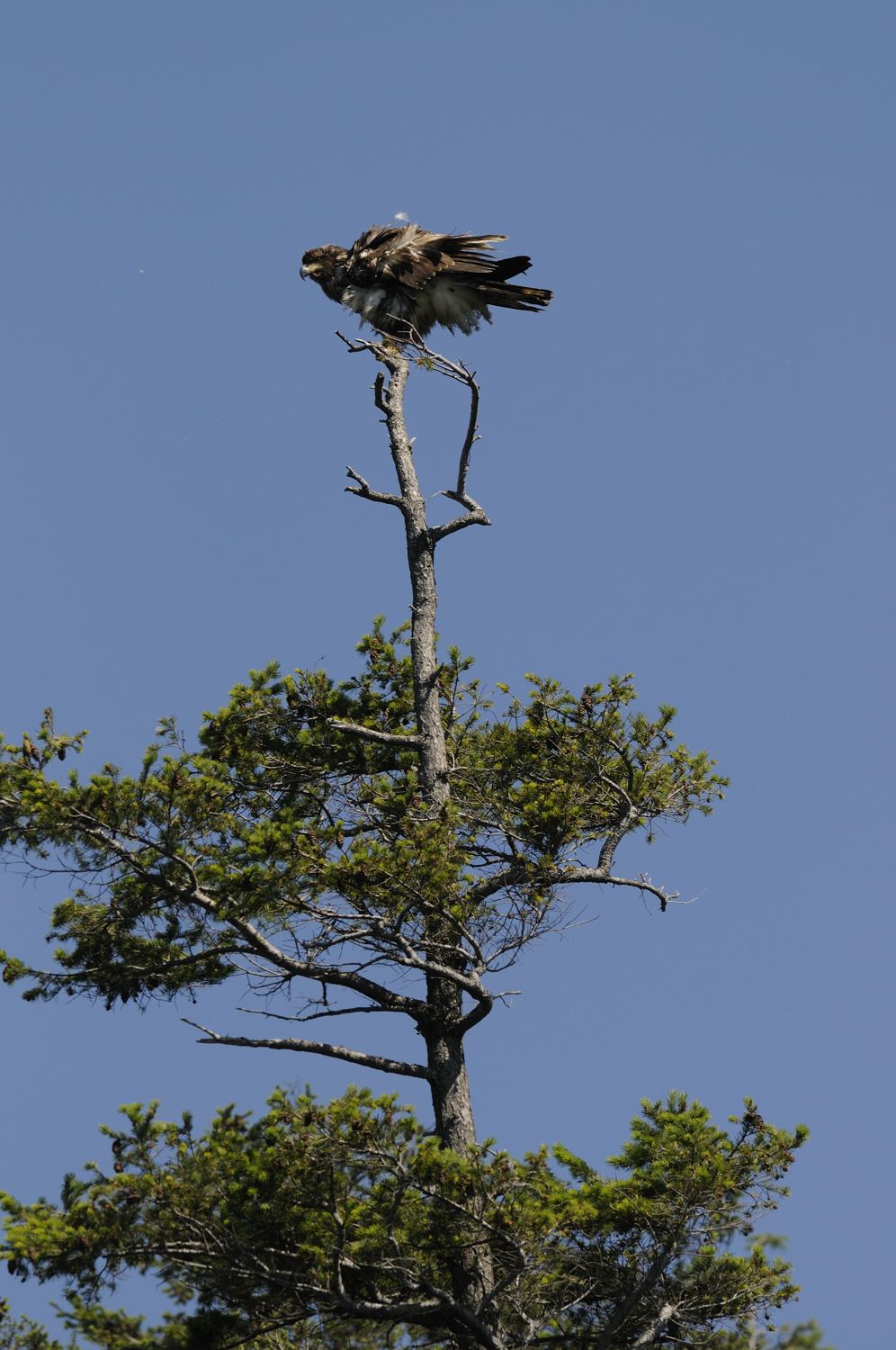
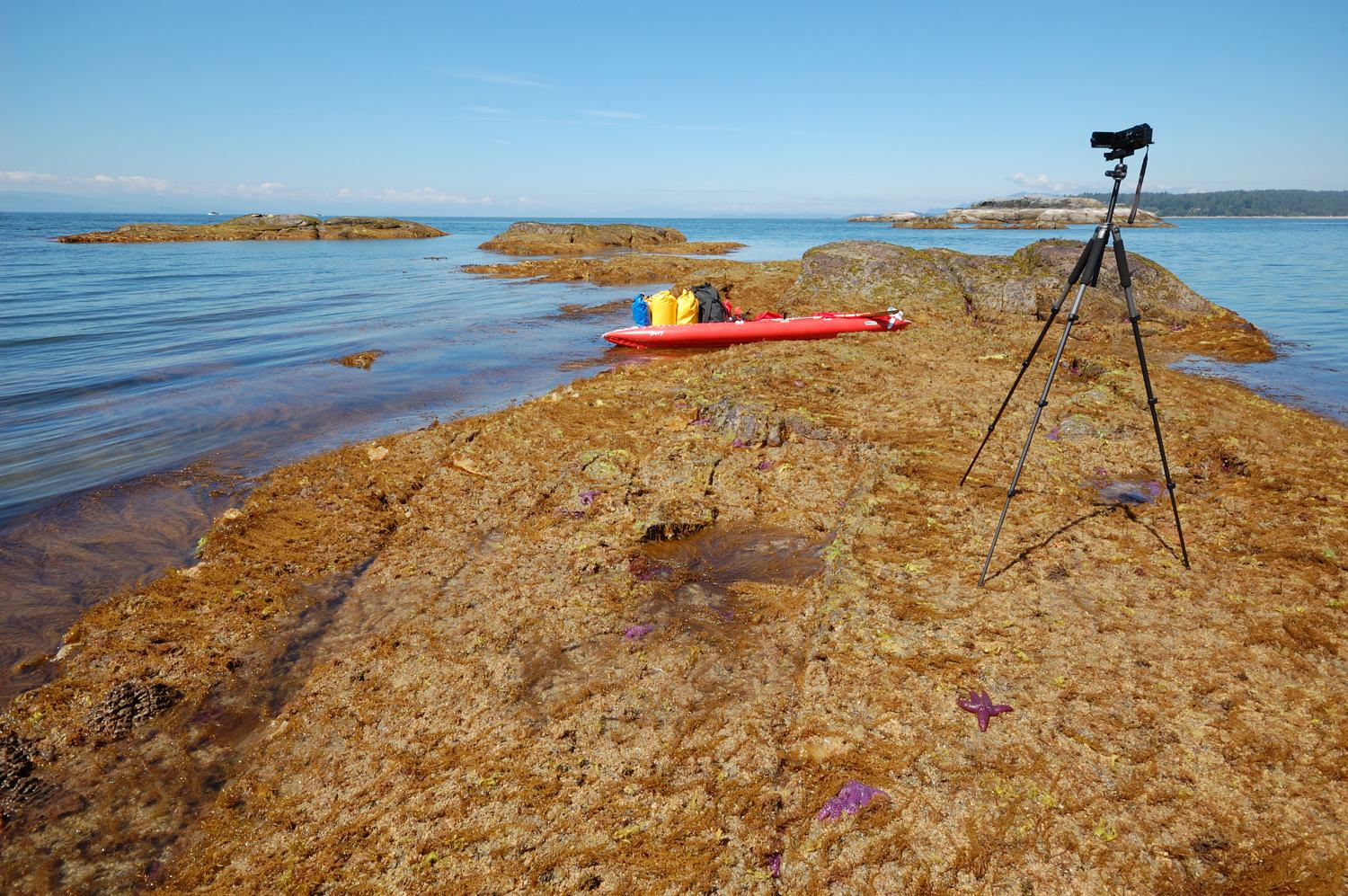
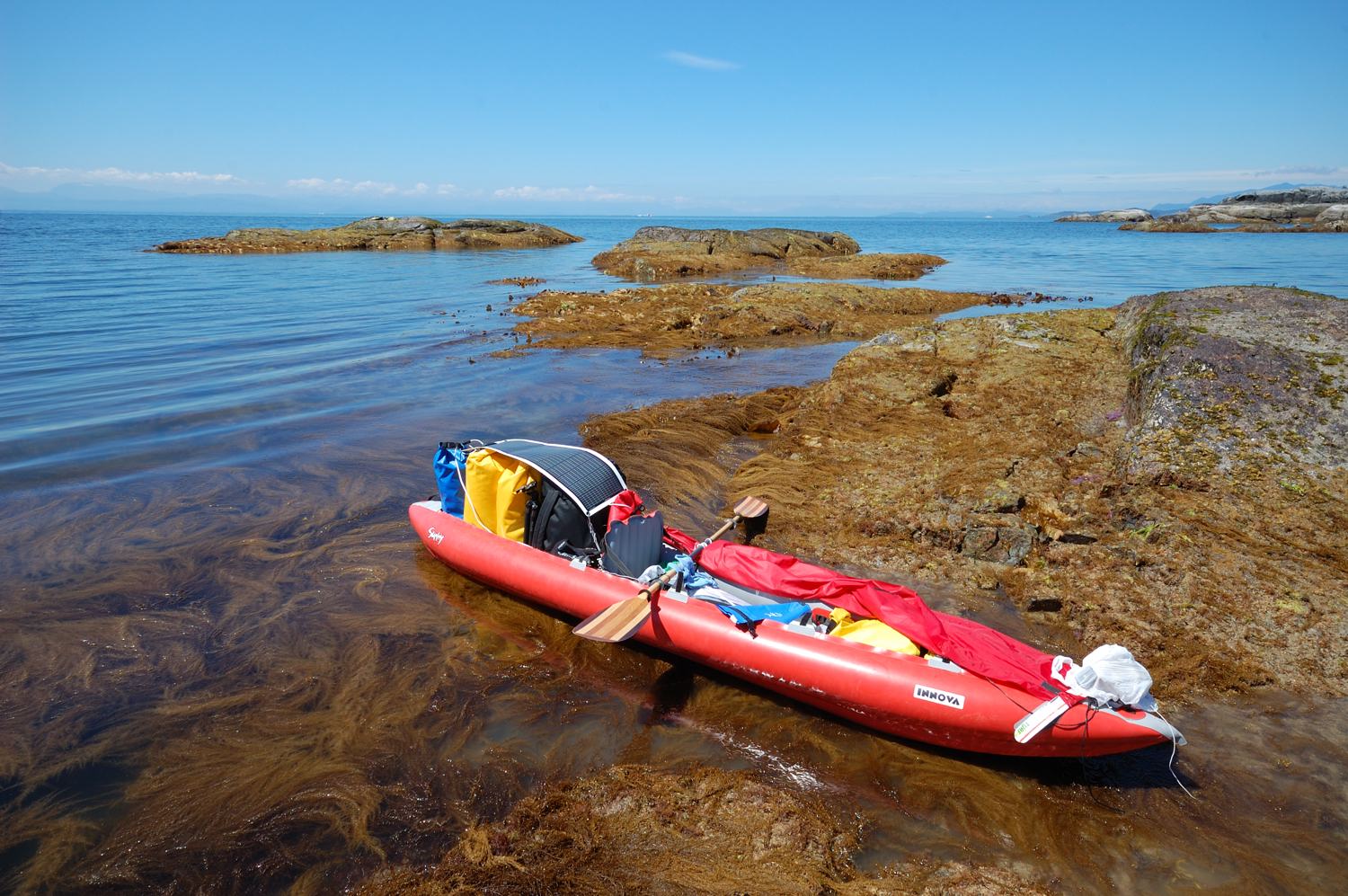
Just past the main islands were some small rocks only exposed at low tide and I pulled into one, with my kayak held in place by the Sargassum seaweed, and had a great time taking videos and photos. It was warm and sunny and I spent about an hour there.



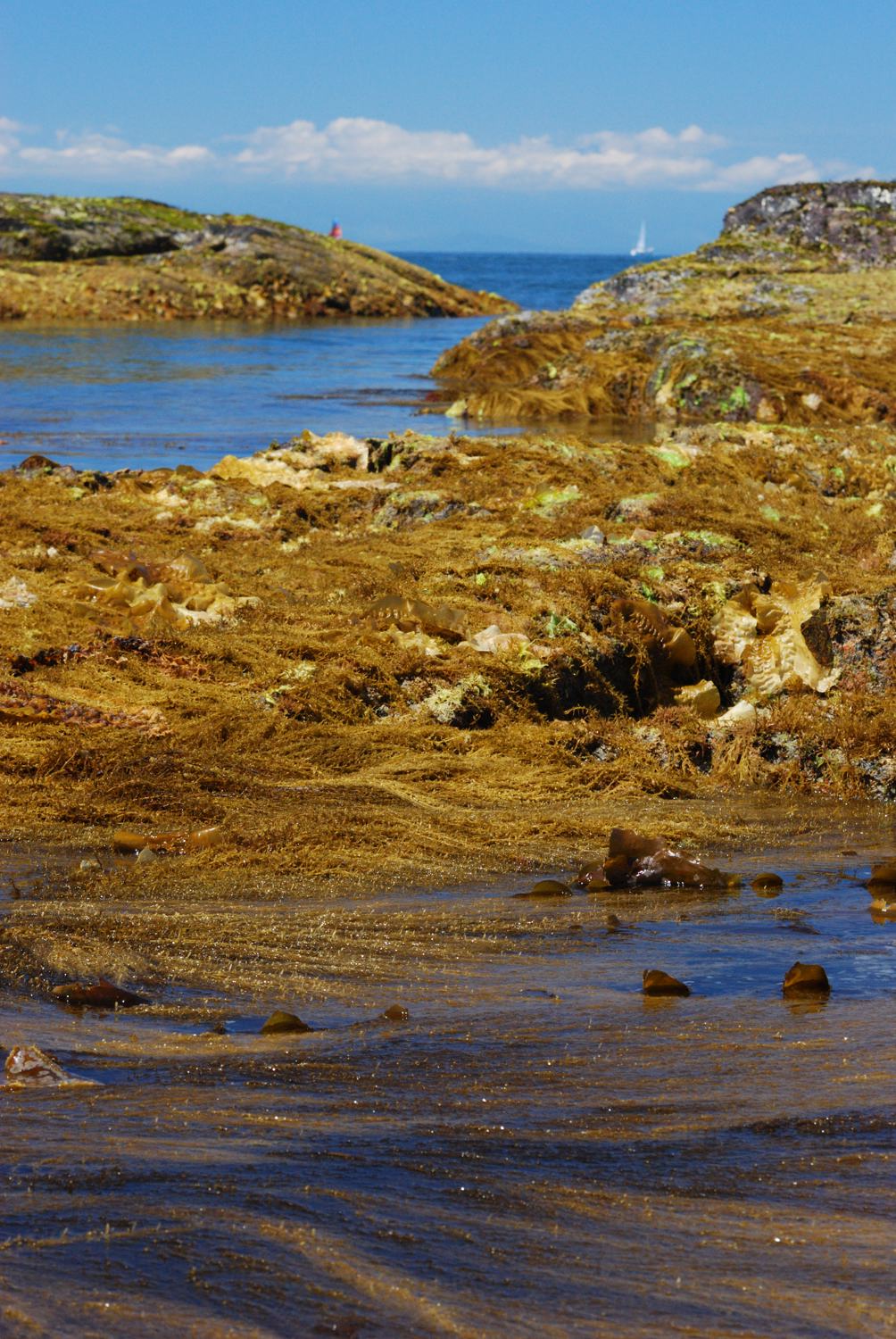
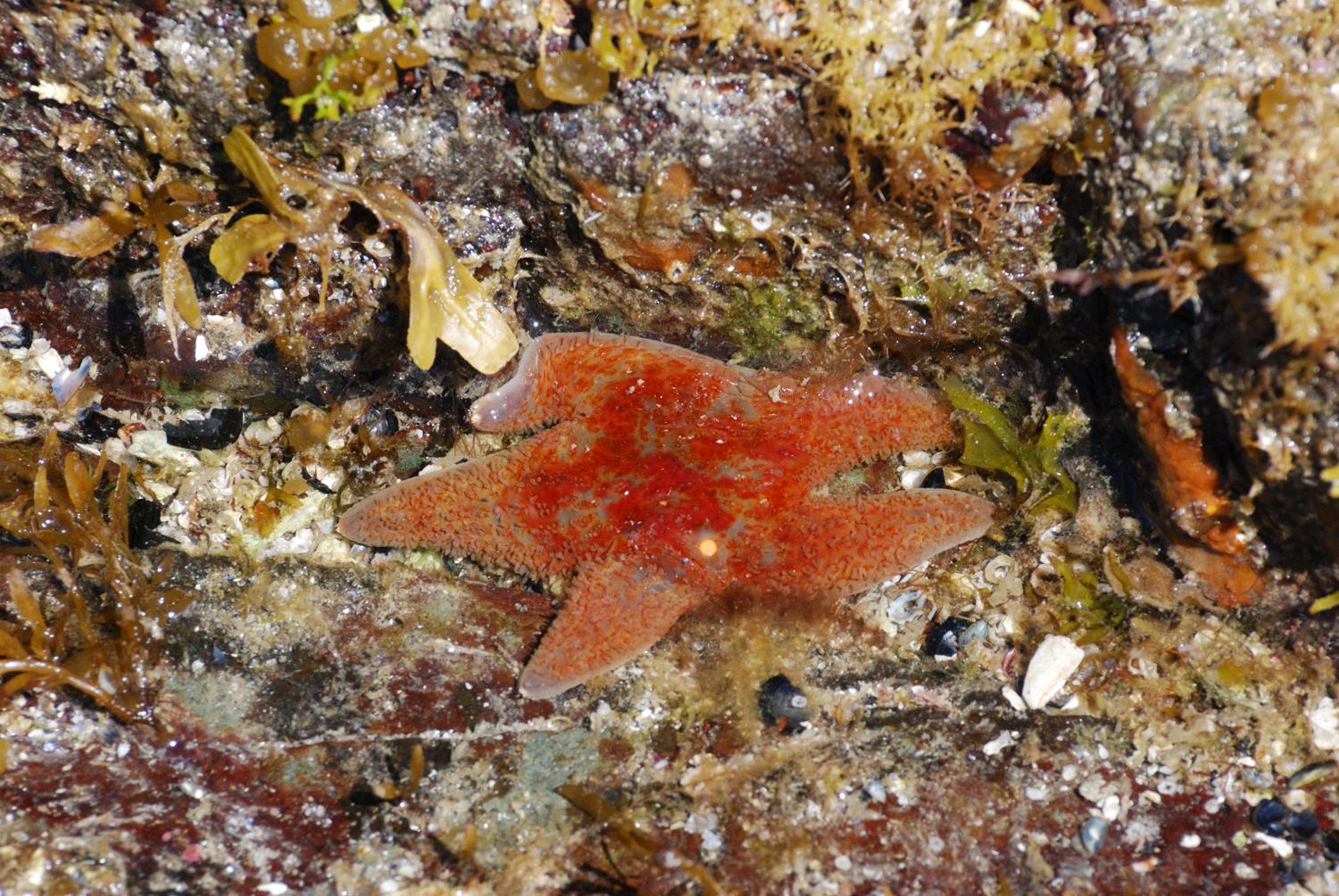

When I continued on I startled some basking seals and sea lions who jumped into the water.
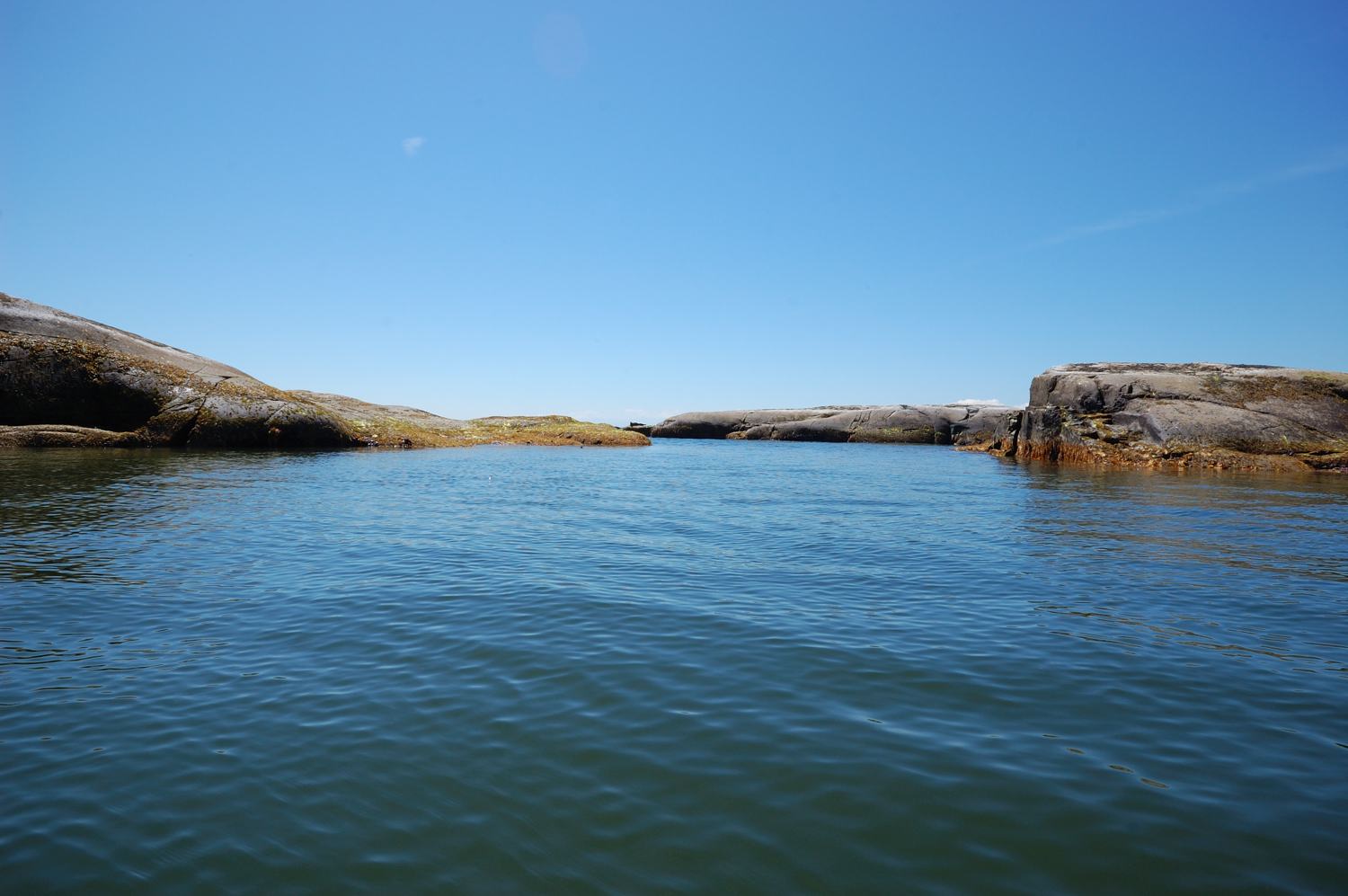

My arms were feeling much better today. This alternating rest day strategy seems to be working. I continued past Sargeant Bay, a small coastal provincial park.


My destination was a small cove on the southeast tip of Thormanby Island. Most of the east side of Thormanby Island is a provincial park. It is a sizeable park. But it’s an island, and therefore doesn’t have quite the same degree of biodiversity as an equivalent sized park on the mainland would, as island ecological studies say that smaller areas have less capacity to support a wider range of ecosystem types and stable populations of land based apex predators.

The wind blew me over to my destination and there was another sailboat in the cove. I said hello and asked if he minded me staying at the other side of the cove. It turns out I could have gone to any other of the coves up the island in solitude since there were not other boats there, but I didn’t know that. This cove is very nice and I didn’t mind the company. This boat had one man and several kids. Then a couple other boats came with more kids. It was a noisy evening but I didn’t mind. There were also a lot of fishing boats outside the cove and around the nearby light station. I guess it’s good fishing here.

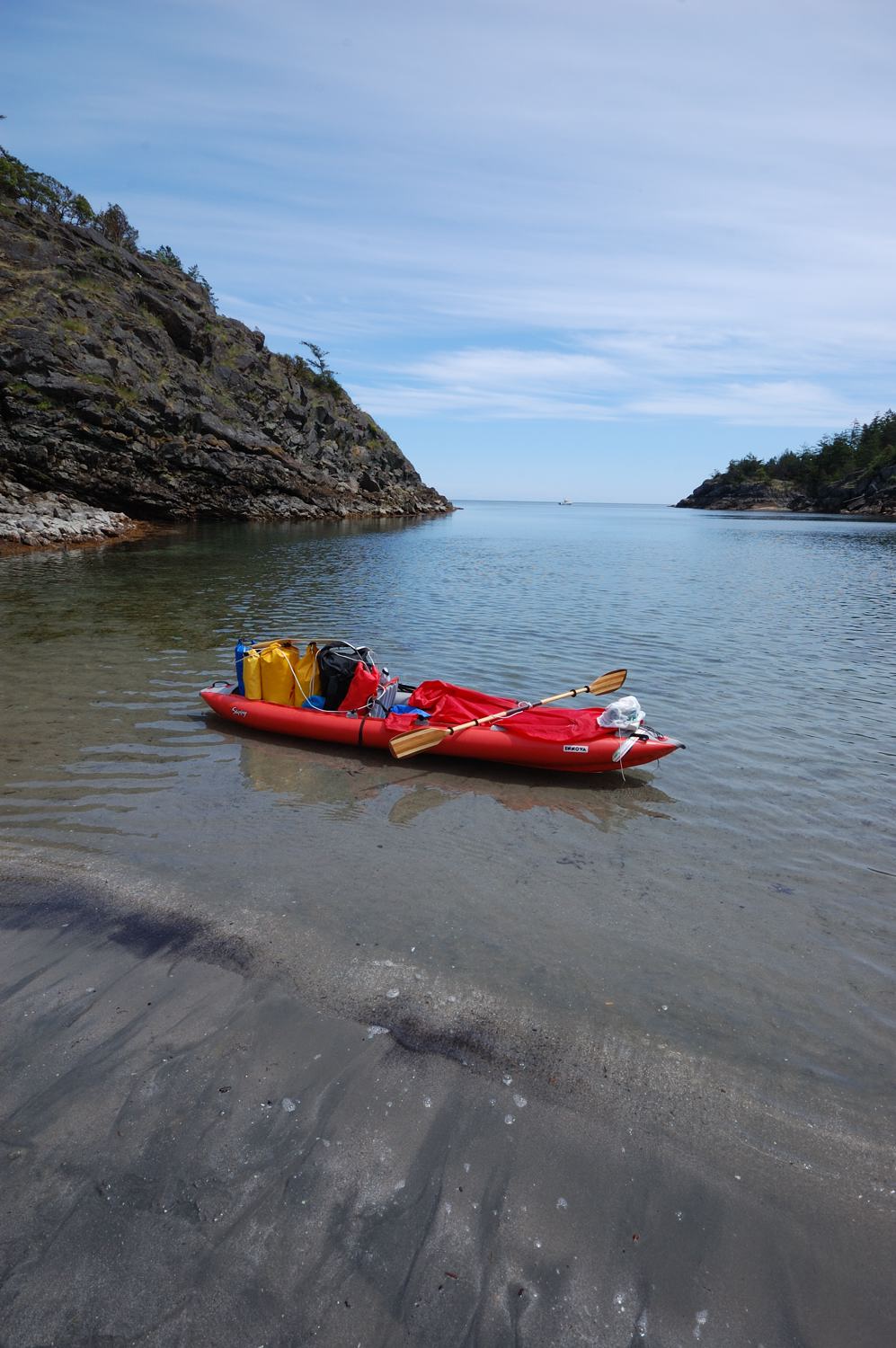


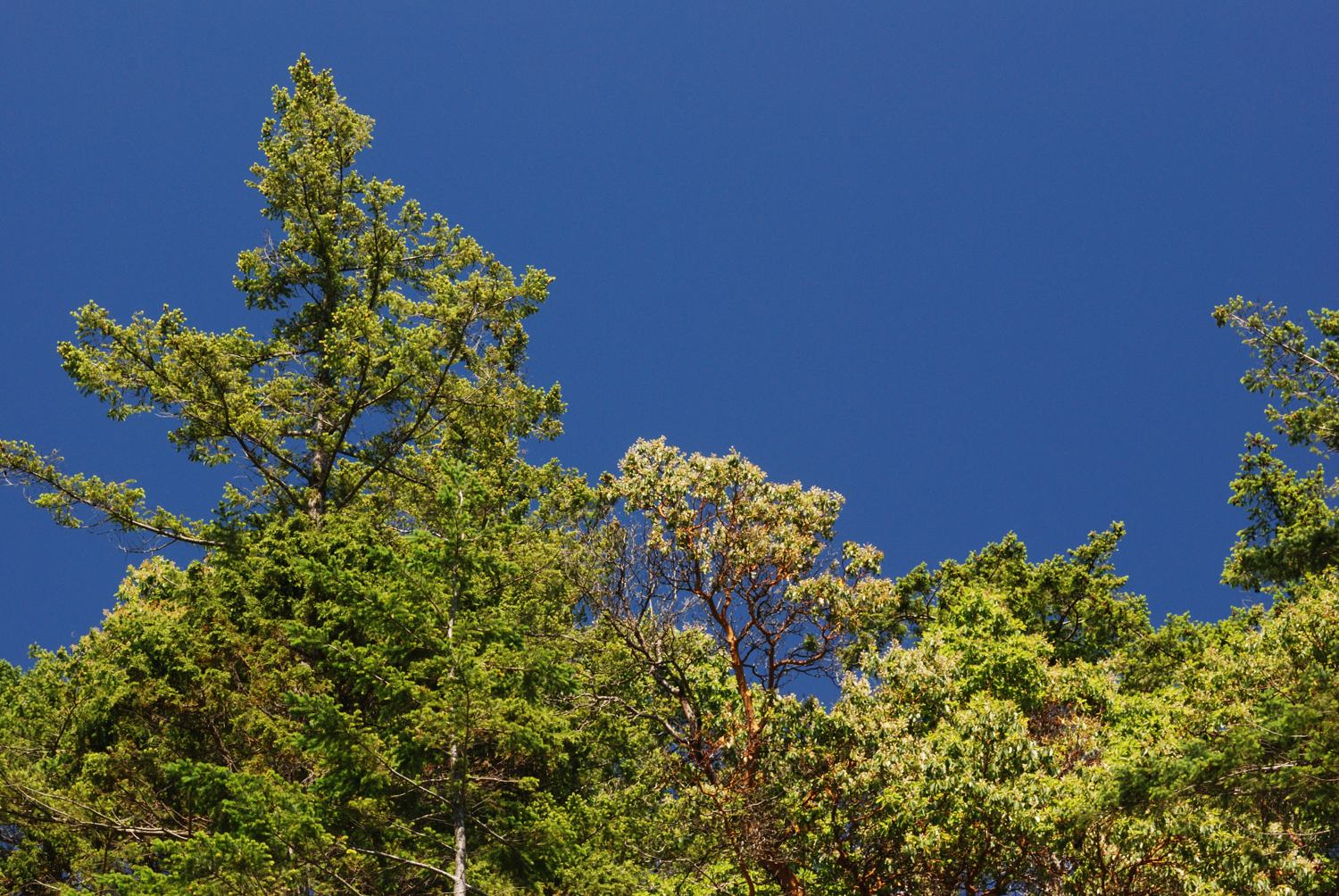
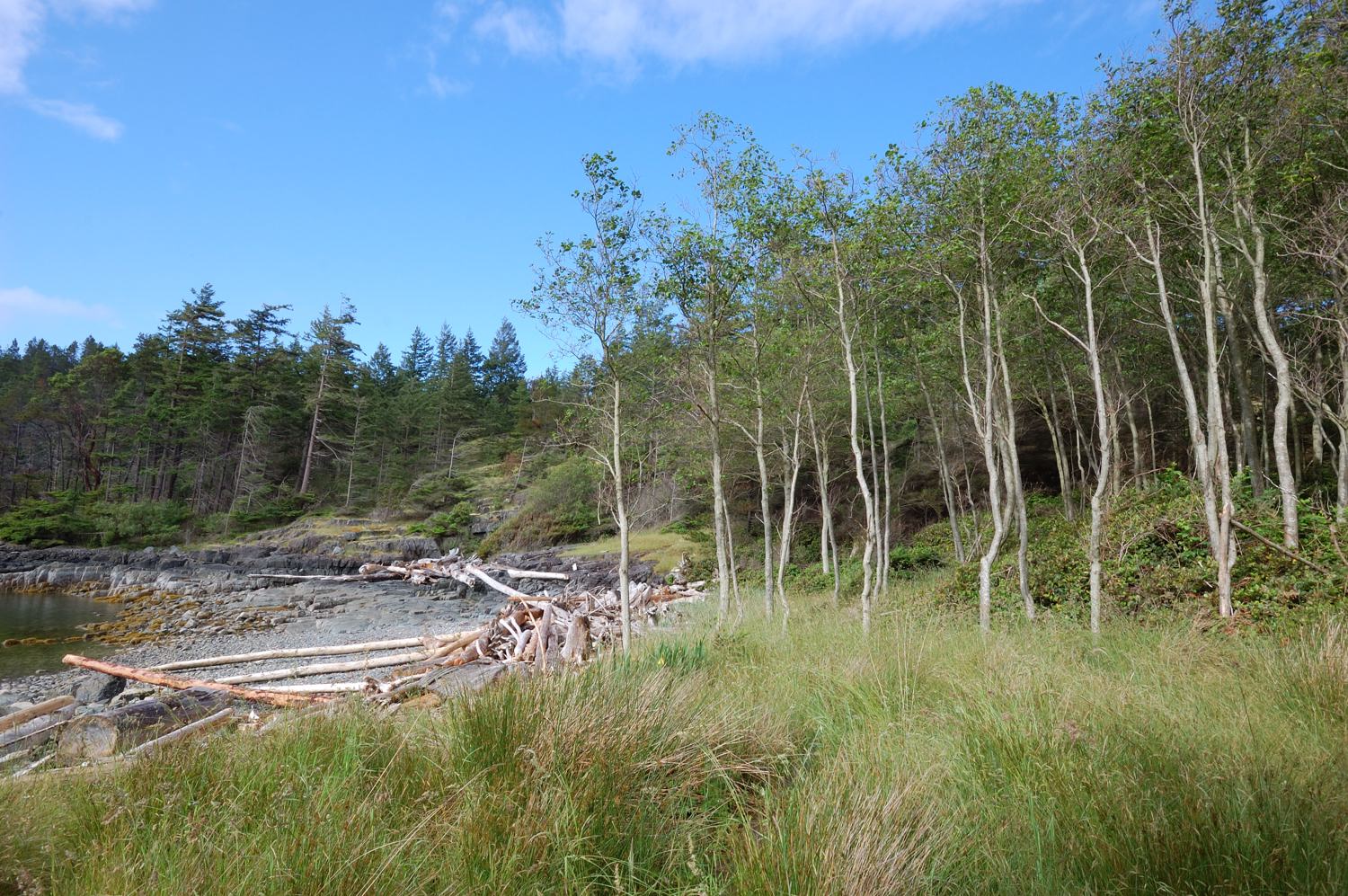
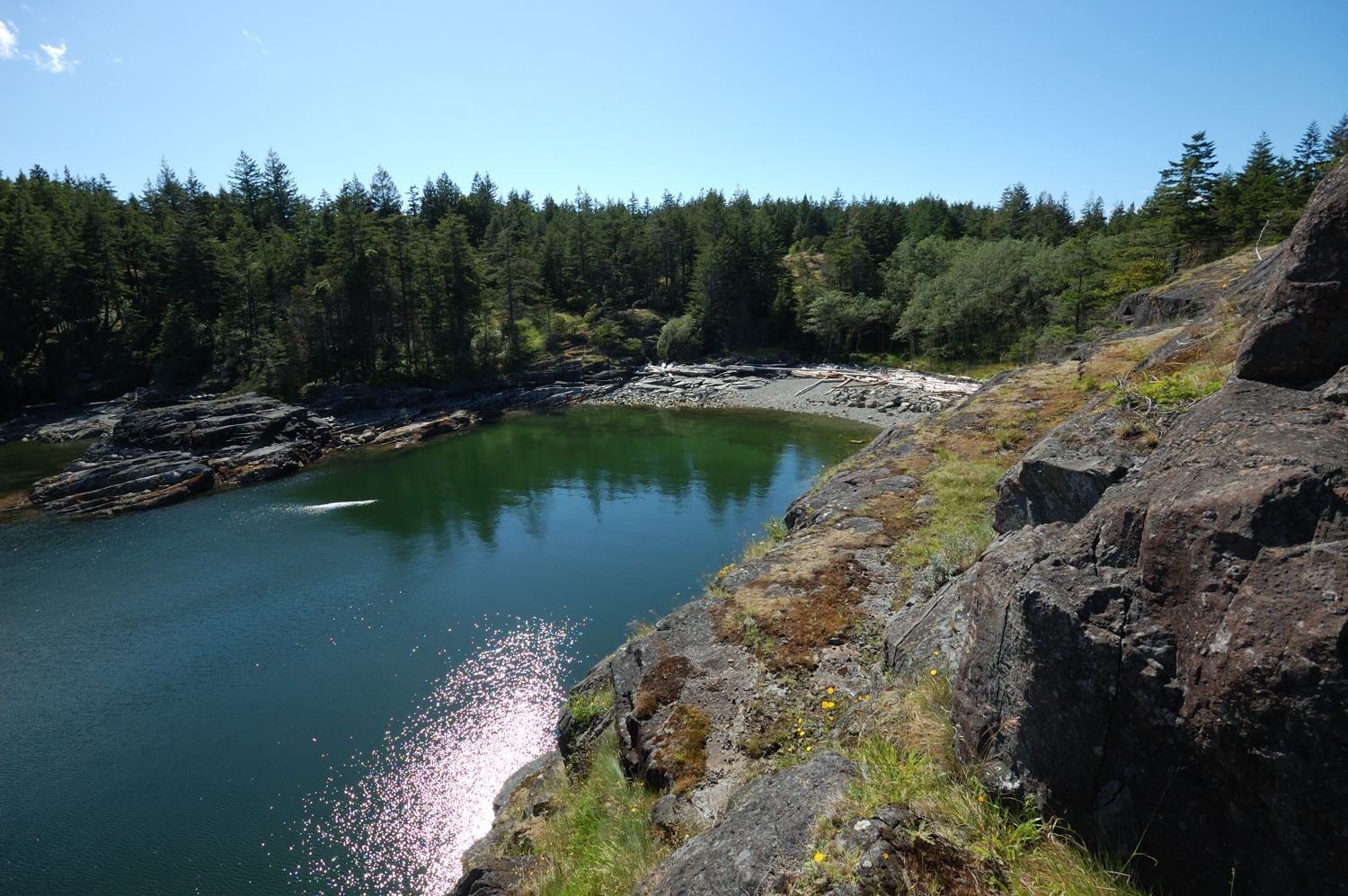
This is a beautiful spot. With the wind as a tailwind from the southeast, it gets kind of hammered here from the waves funnelling into the cove from the open Georgia Strait to the south. There is tons of wood and styrofoam washed up. And all the trees are quite windswept. It must howl in here during storms. There is a wet draw in the middle with water-loving alder trees and sedge grasses and ferns. This leads back to a lake apparently but I didn’t go back that far. On either side of the draw are dry rocky knolls with arbutus and douglas fir. These knolls are covered in lichens and mosses. Since no one walks around on them they are in great shape. This pattern is typical for east Thormanby Island. You can look on Google Earth and see a maze of more verdant greens from the alders in the wet draws, separated by the dry rocky knolls.



I went looking for water up the draw and despite it having rained hard a couple days earlier I found no obvious running water, just a muddy spot with an inch of water over it. I’d have to filter that. But afterwards in camp I noticed a seepage spot in the rock face underneath the arbutus. It was dripping about one drop per second onto a perfect ledge where I could put my pot. So I would have a nice supply of water there. It tasted a bit grassy though.

There was the usual assortment of coastal birds I have seen – gulls, ravens, eagles, hummingbirds, swallows, a few types of thrushes, especially the haunting call of the Swainson’s thrush echoing through the forest. I love that sound. I went to sleep with the weather forecast calling for rain and it came again overnight. The next morning saw a shift in the winds from the northwest. This left the cove in the lee and it quieted down to like a glassy lake, while I could hear the wind blowing the other way overhead in the trees on the knolls. The rain also brought out the grass pollen and I had a major bout of hay fever with itchy eyes. Today was another rest day.
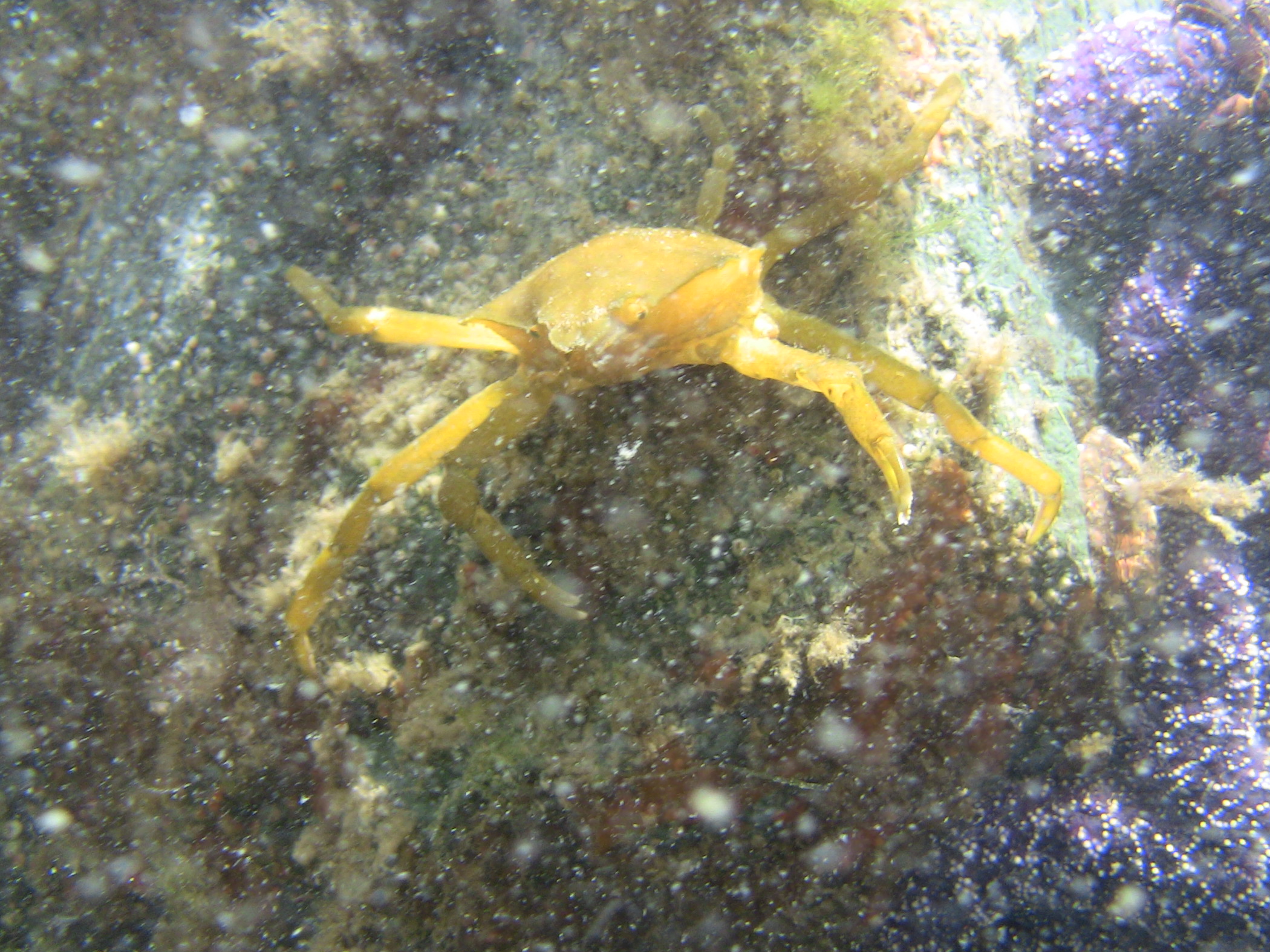
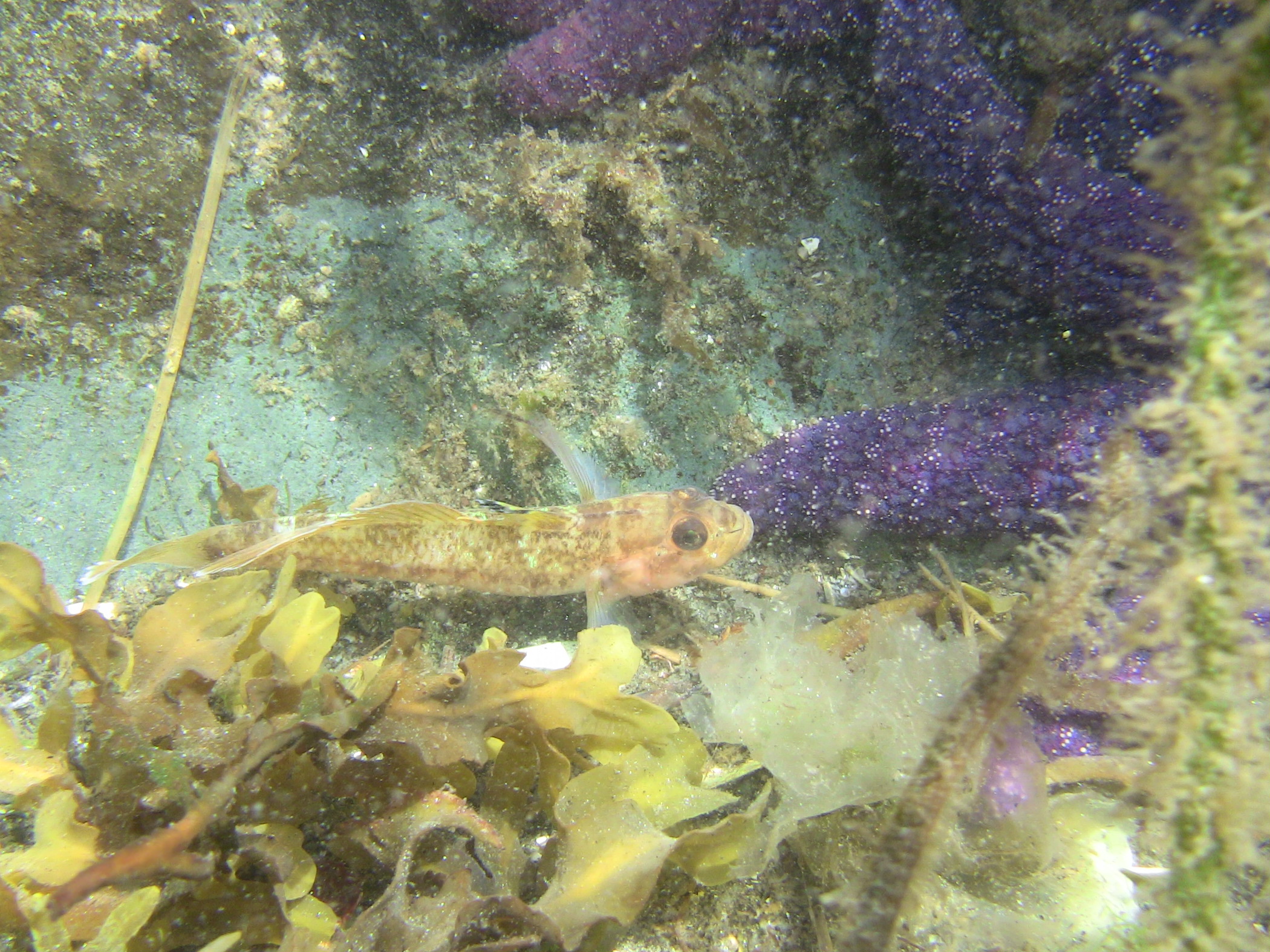
Around lunch time the tide was really low and got down to a nice sandy area, exposing a little eelgrass bed. This was great. And the water was really warm too. I got my underwater housing ready and started filming and taking photos. I was really impressed with the diversity here. There were at least a dozen types of fish I saw, and there were lots of them everywhere. I tried doing a beach seine but I only managed to catch some pipefish and jellies. All the other fish swam away because the net is white. I will have to dye it darker in Telegraph Cove when I meet my mom in a few weeks.
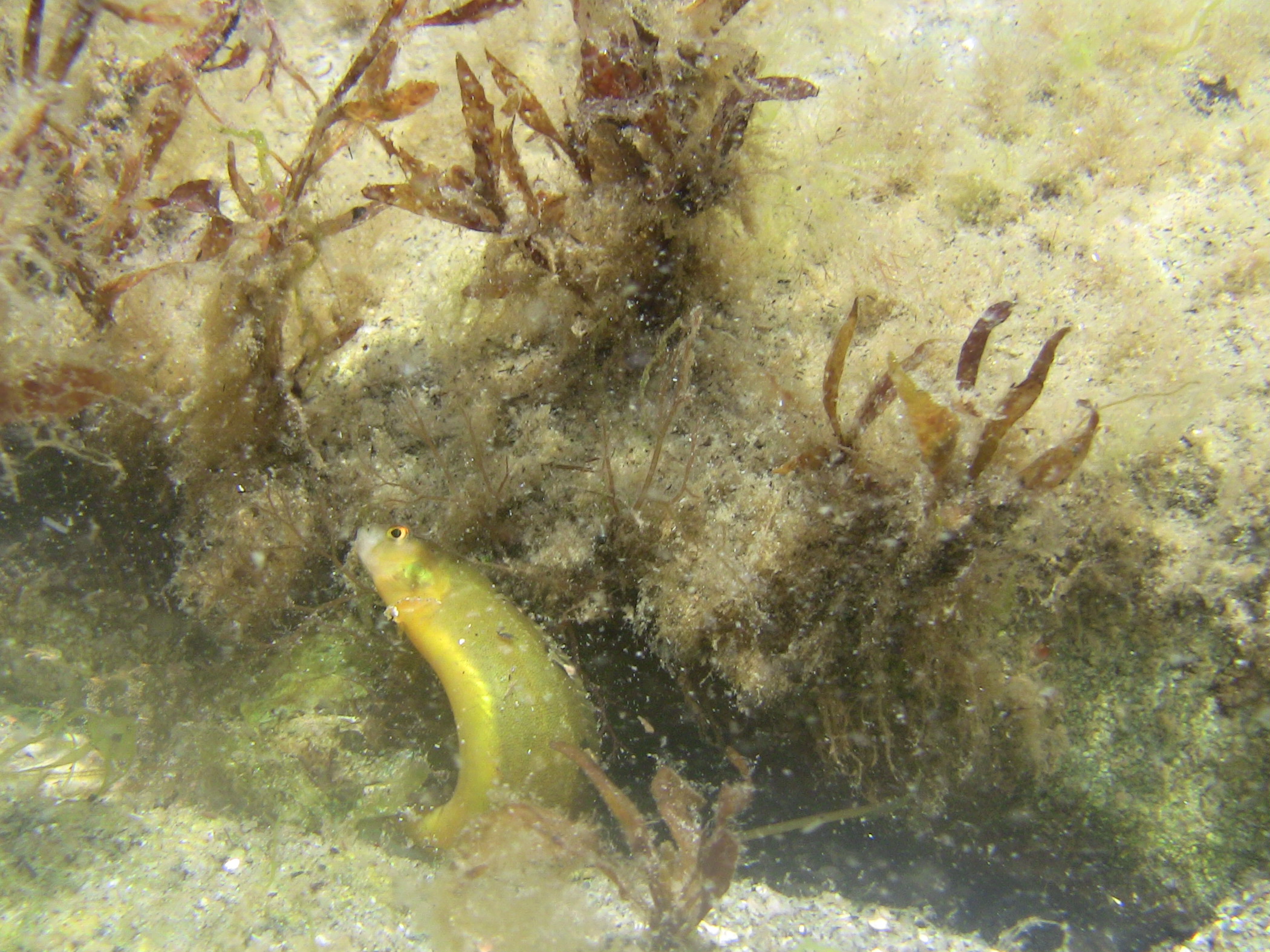
Eelgrass beds are an important habitat because they act as nurseries for baby fish. I saw several rockfish hanging out. There were a lot of black eyed gobies on the bottom and tons of different types of sculpins. And penpoint gunnels were all over the place. These guys are intertidal eel like fishes, typically bright green. Some were pretty small but there were a few that were about 25 cm long. I thought I took some nice photos but it turns out I wasn’t holding the button down for long enough, at least two seconds, so I’ll have to return tomorrow at the same time.
I then set out to climb around the rocky bluffs to the north of the cove. These are really nice and give nice views of the surrounding area. There wasn’t as much wildflower diversity up there as I was expecting; the highest concentration seemed to be right next to my campsite. My knee has healed well and I was hiking around no problem. I think those single stressful events like falling on the log on Bowen Island actually help my tendonitis and stimulate the tissue to regenerate. I just have to give it a couple days’ rest afterwards.



I returned to camp and the boats had all left. That night I was alone. The next morning the wind had shifted to southeast, exactly what I wanted. I have had incredible luck with the wind. It seems to alternate between a headwind and tailwind every other day, which coincides perfectly with my alternating paddling schedule.



Bowen Island to Roberts Creek
The winds the next morning had shifted to a nice southeast tailwind so I rushed to get out and take advantage of it.

It was now low tide, however, and the nice sheltered gravel beach had retreated to a slippery, narrow surge channel.
I didn’t want to miss the winds so I put in anyways, and it was difficult. With this boat you can’t drag it in to the water full of stuff. It is a great boat in most respects except for going in and out of the water. You have to pick it up and carry it in unloaded, then anchor it and wade in with your stuff and load it while it’s floating. Every boat has its advantages and disadvantages and I chose this one for its versatility and ability to be easily hiked through the forest, and I am paying for this versatility with the difficulty of putting in and pulling out. But it’s worth it IMO. I managed to get off with quite a bit of difficulty but not too much damage.
The weather was cloudy with a bit of drizzle. I quickly drifted in the direction of my destination and saw a couple porpoises a few hundred feet off. I weaved my way through the barrier islands at the entrance to Howe Sound and made my way across the open water to the mainland Sunshine Coast. I was not looking forward to this next section since there are very few opportunities for camping. There are houses along an almost unbroken stretch of about 30 km of coastline here.
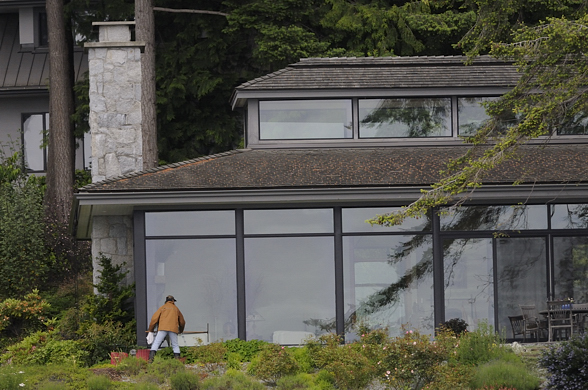
Along with huge windows comes big chores.
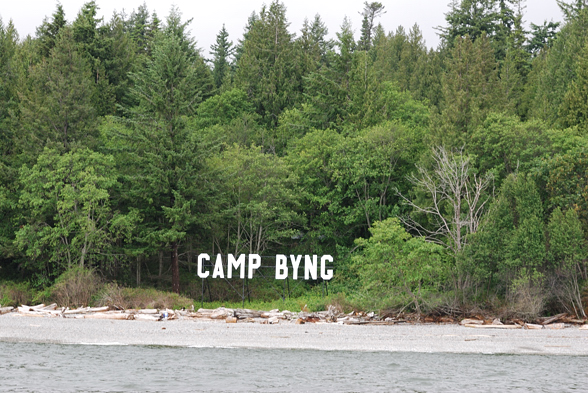
I just wanted some Camp – Ing
My plan was to go to Roberts Creek today, about 20 km, where there is a tiny provincial park on the water. You aren’t supposed to camp there, with camping being a kilometre inland in the forest, but I figure they make the rules for the 99.99% of the people who arrive by land, not sea.
By lunchtime my arms were getting very sore. And so was my butt. Every so often I would break to take photos and stretch and when I do this I take my gloves off and stuff them behind the side of the seat. One time, when I pulled them out to put them back on, I accidentally snagged the inflator plug to the seat and pulled it out. Immediately the seat deflated quite a bit and by the time I put the plug back in it had become much more comfortable. Problem solved!
The tailwind stayed with me all day and diminished to near calm by about 5 p.m. when I reached Roberts Creek. The actual park is a couple kilometres past the jetty in Roberts Creek and I just pushed on with weaker and weaker strokes until I finally got there.
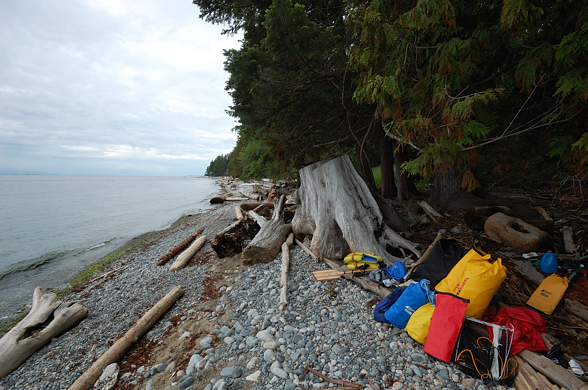
There were moderate waves crashing on the gravelly beach on the high tide which made unloading a bit of a chore, but not too unwieldy.
There were quite a few people going in and out of the water in kayaks and walking around. I can see why, with this being the only accessible waterfront park around, all 300 feet of shoreline of it, except for the pier in the middle of Roberts Creek “village”. I found the most secluded spot I could under the trees, about 100 feet from the neighbours’ house. I waited until it started getting dark and then set up my tent. I was not looking forward to spending a whole day here tomorrow, but I had no choice since my arms were so sore. I needed to take it one day on / one day off for the first while until I got stronger. Finally around 10 pm the last people left.
I woke up early to a falling tide and planned my day.

I was going to do some things to the boat and beyond that, just sit around and take pictures.


There was a good northwest headwind so it was fortunate that I took today off. It turns out that sometimes being forced to stay put and contemplate things opens up observations you would have otherwise missed.

This beach took on a new character at low tide.
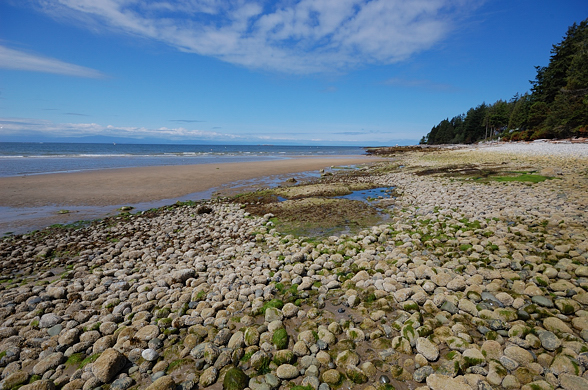
Below the rocky sloped beach was a flat sandy beach

with a few large rock outcrops.


This attracted a whole new set of bird life. An eagle was sitting on one outcrop in the distance.
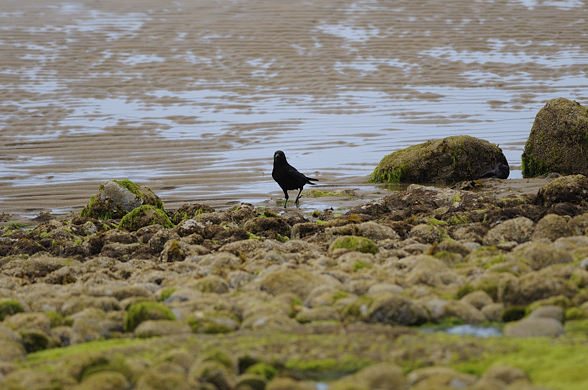
I watched ravens search for whelks.
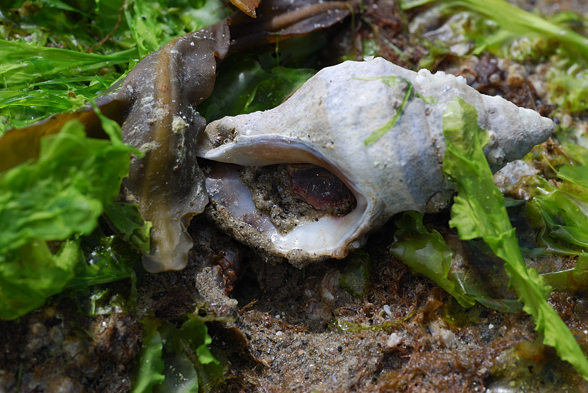

and then fly them up to the rocky part of the beach and drop them.

Somehow they follow where they go because they always seem find and eat them. They must have good eyes.
They did this for quite a while and I imagine they cleaned out most of the whelks from that rocky outcrop. Birds on this coast certainly don’t have a bad life, at least this time of year. These guys get treated to escargot every day. A seagull even tried dropping a shell but it landed on the sand. This served as a reminder that not only do the tides increase the biodiversity due to the increased habitat zones they create, but they also provide a way for nutrients to flow from the sea to the land as non-diving birds and other animals descend for the bounty. I even saw a garter snake way down in the intertidal zone too, probably looking for little shore crabs.
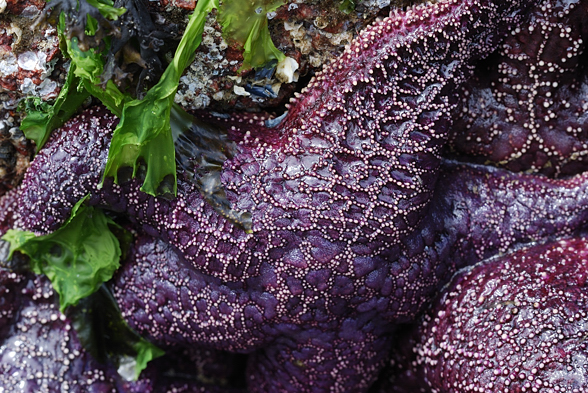
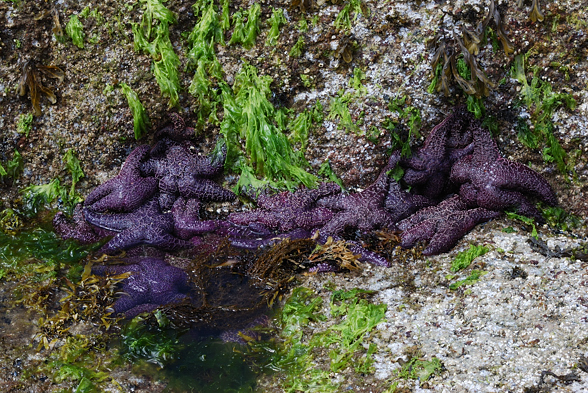


Sargassum weed


Then the tide came up and everyone took off, with only the geese left to pick off sea lettuce (Ulva) from the high tide line.


Such a nice rainbow deserves another shot.
I prepared for another night and around 9 p.m. the teenagers showed up with their loud trucks. I didn’t mind too much and the party raged on until midnight, and a few of them stumbled onto me in my tent. Finally after a few broken beer bottles they left. I will be glad to hit the seas again tomorrow.
Vancouver to Bowen Island
Day 1 began with a ride down to Whytecliffe Park with my friends Mike and Greg & Mitzi. The weather was great. I was mostly ready to go and then I realized that I forgot my microphone (for when using my underwater housing for the video camera). So Mike and I raced back to Greg’s house to get it and returned 45 minutes later.

I didn’t spend too much time getting all my stuff well organized in the boat on the beach since the waves were bouncing it around and there were too many people watching. It all fit in though and this was the first time I had had it in the water with all my stuff in.
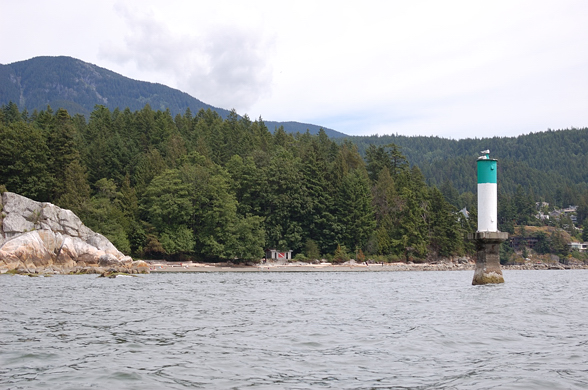
I went offshore a ways and took some photos looking back.

Looking up Howe Sound
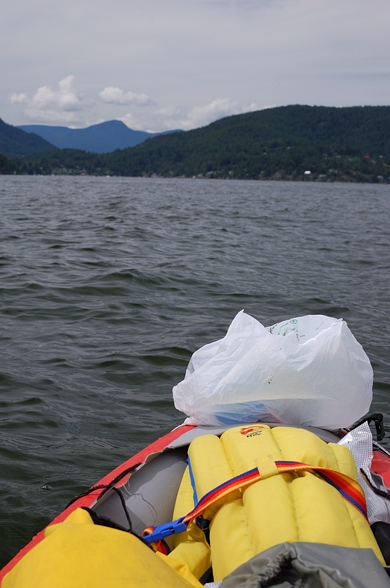
Then I proceeded to cross the channel to Bowen Island.
I noticed a ferry coming my way from Nanaimo. I thought I could beat it since it was still a ways off in the distance, but it was moving quickly. Funny, they don’t seem so fast when you’re on them… So I paddled harder and harder. This was all within 10 minutes of getting in the water. I hoped the captain could see me, which I am sure he could. I paddled harder.
Then I noticed that the microphone which we had raced home to get, was now dragging in the water over the side of the boat. Of all the things to end up in the water…. I cursed and dunked it in my drinking water to rinse off the salt.
Finally the ferry made an angle signifying that it was going behind me and I relaxed. I arrived at Bowen Island with sore arms. This was not a good beginning for my trip considering my major concern is tendonitis in my right wrist.
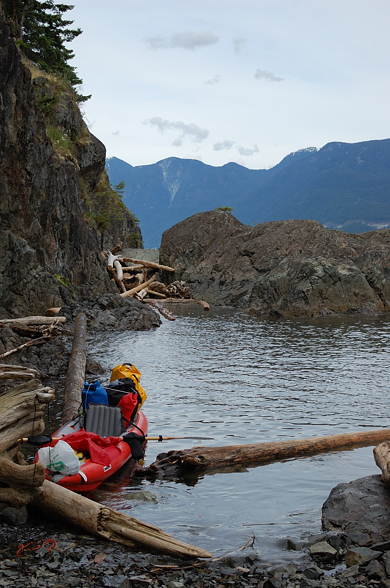
I paddled up the shoreline a few more kilometres into a headwind and saw a nice little sheltered cove where I could pull out and stretch.

For some reason the shore crabs liked this rock.
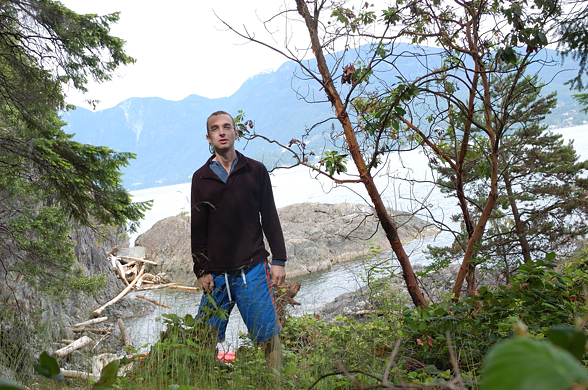
I could have camped here but it was only 2:30 pm and I had planned to go all the way to the tip of Bowen today. I had only gone about 8 km.
So I set out again with sore arms and rounded the south eastern point of Bowen Island. The wind started to die down now.
I took some video of me paddling, using my underwater housing on the front of the boat. It didn’t turn out too great, and I didn’t want to risk frying the microphone before it dried out so I got no audio.
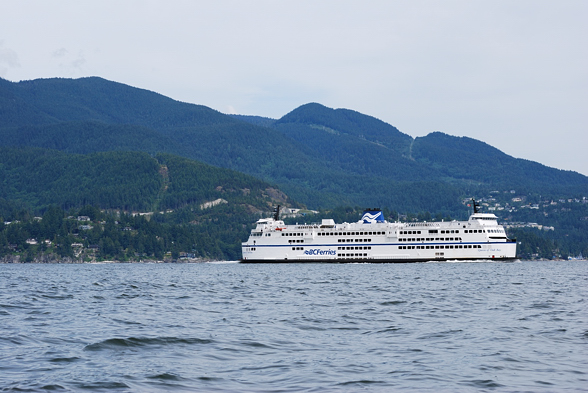
The same ferry that almost ran me down?
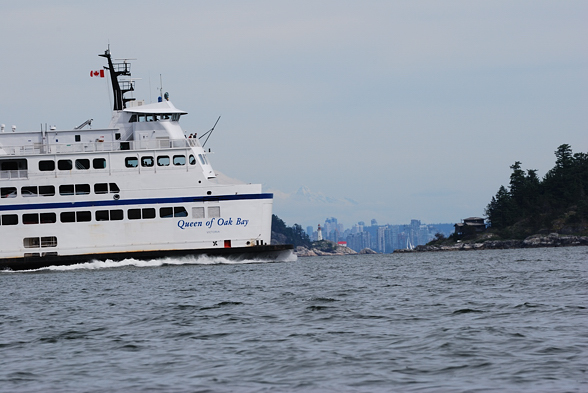


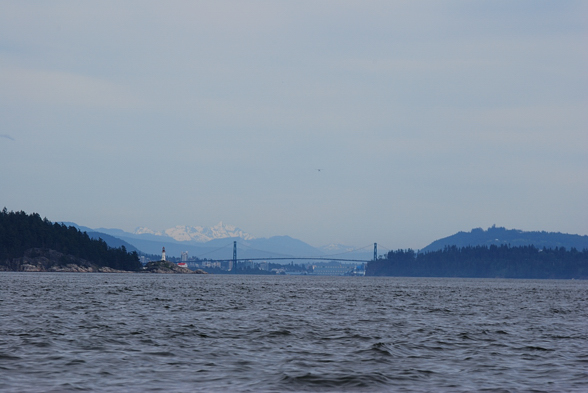
Looking back to Vancouver
I finally reached the western tip of Bowen at the Roger Curtis lighthouse.

Just before the lighthouse I found a nice sheltered cove (on a high tide) with grassy knolls above.
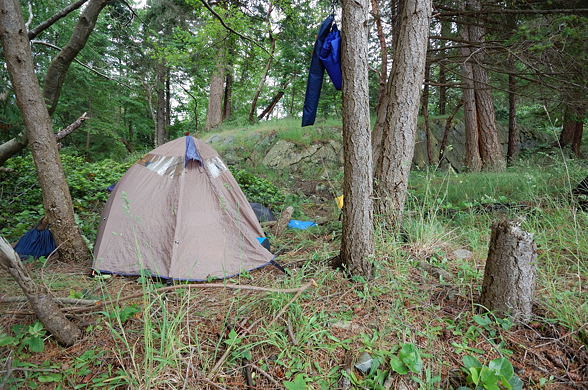
There was dry forest right beside the meadows and I set up my tent there.
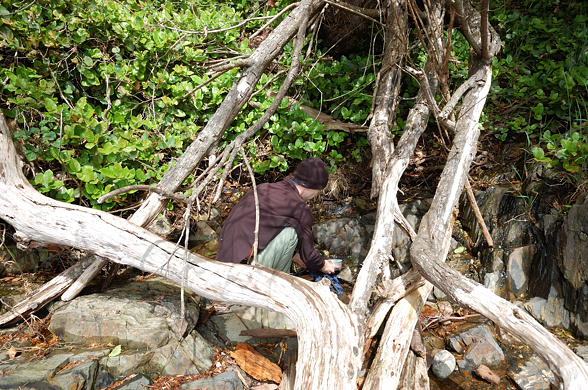
And there was fresh water seepage at the next cove over.
This is an idyllic spot for camping. Its only drawback is there’s a bit of a hike up the rocks to the campsite, and I imagine that in dry spells the water disappears.
Later in the evening I was walking on the beach logs and one gave out and I had to put all my weight on my bad knee to prevent a fall. That was very painful but the pain went away shortly and afterwards it just felt a little tender. This was too bad since my knee was getting much stronger and I had noticed this while hiking my stuff up the hill.
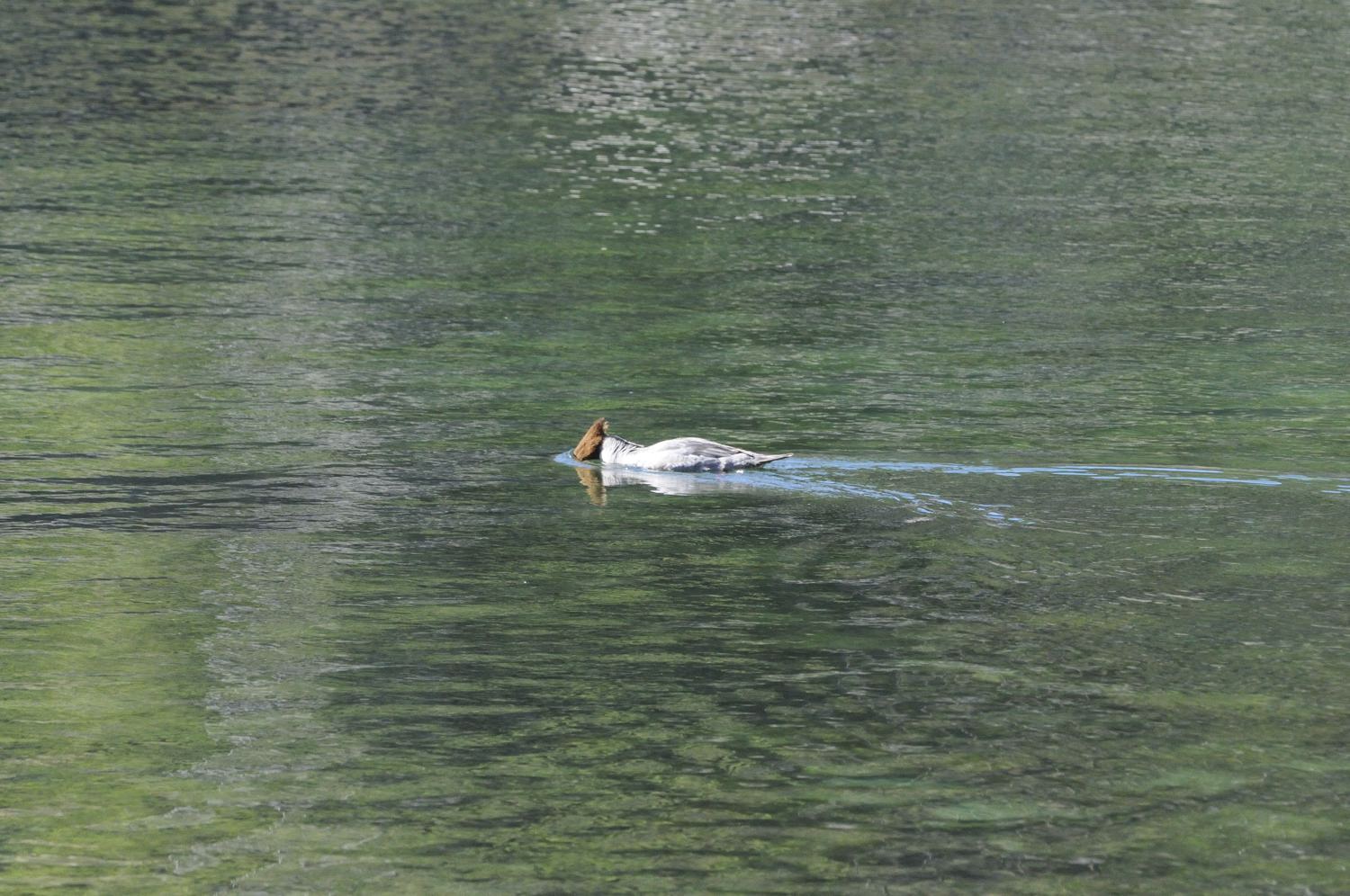
A merganser stopped by the cove to do some fishing and I got some video. The site has a rough bench set up on the grassy meadow, and I tried to sit there and watch the sunset, but the mosquitoes were too bad so I went to bed.
They were predicting rain overnight around midnight, and right around midnight I awoke to raindrops on the tent. It started quickly and came down hard and sustained. I tried to get back to sleep but it wasn’t going to happen. Oh well, I was safe and dry in my tent. Then two hours later I noticed I had wet feet. There was a huge puddle in the tent from the water collecting between the bottom of the tent and the ground sheet underneath. The water seeps in through small holes and gets sucked up into my sleeping bag. So I pulled the ground sheet out and finally got back to sleep. By morning the rain had stopped and the wind picked up, a strong northwester (headwind) which lasted all day. This was a good opportunity to dry things out and take a day off, since my arms were sore and there was a headwind anyways.
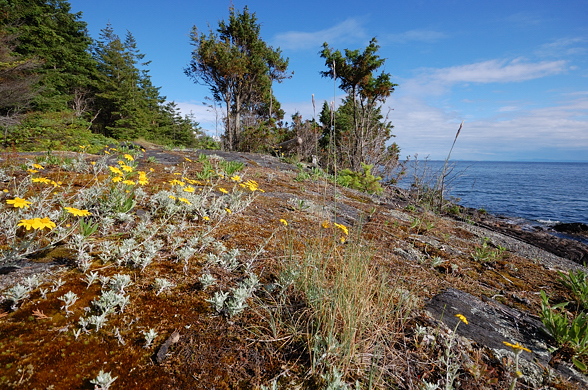
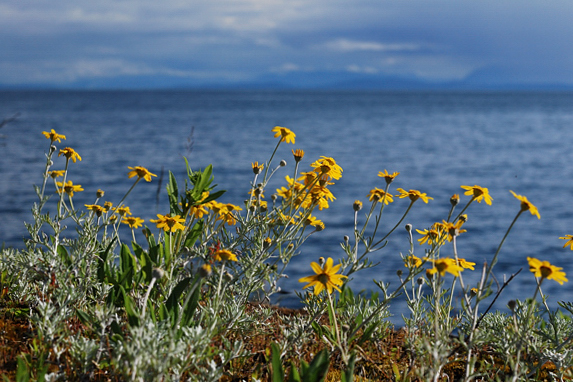
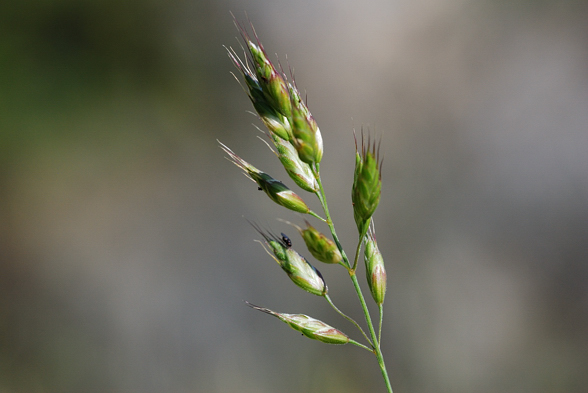
This site is really nice. There is a lot of bird life here, of all sorts. Lots of different types of ducks, geese, eagles, ravens, hummingbirds, and there was even a turkey vulture that was working its way along the shoreline, looking in each cove for something washed up to eat. This spot also has some nice rocky outcrop plant communities and I took photos and made some videos about how it is important to protect what remains of the coastal areas of Georgia Strait because real estate development is putting up houses all along the shore of this body of water. Then it is just a matter of garden invasives and people trampling which diminishes or destroys this unique ecosystem. It is very sensitive because when it dries out the mosses and lichens become brittle and any footprints crumble them. If you go to Lighthouse Park in West Van in the more heavily used areas you can see what happens to rocky bluffs when too many people walk over them. This site on Bowen was nice because there was also an absence of Scotch Broom and other invasives, besides sweet vernal grass. Broom is very invasive in these habitats because it can fix atmospheric nitrogen as a fertilizer and outcompete the natives, and then totally change the dynamic of the ecosystem. Then you lose most of the more sensitive native species.


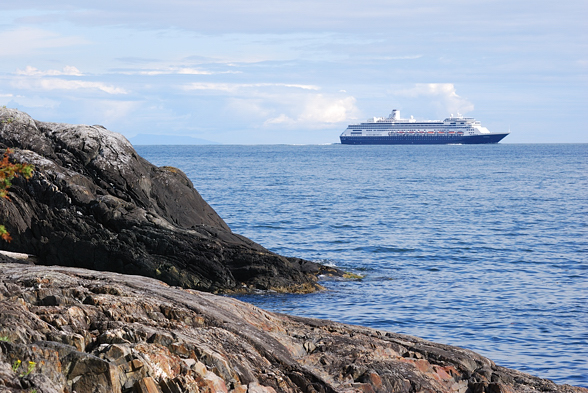
Cruise ship heading to Alaska. I imagined I’d be encountering these frequently.
I was impressed with how nice this spot still was, and how it had somehow remained house-less. I’m not sure what the status of this land is, but I went exploring over the small hill behind my campsite and saw a new road being punched up. Nice! Should we expect a house on this spot next year? Maybe it’s just an access road for a park.
Beginning the Trip for Real Now
I have been sidelined away from my trip for the last month, in large part due to the urgency of preparing for the upcoming financial collapse which could happen anytime, most likely within the next 2-5 years. I suggest that you try to understand what is going on as well since the implications of these events will be catastrophic for the whole world. Blogs I recommend are FOFOA, Chris Martenson’s Crash Course, Jim Sinclairs’ Mineset, GoldSubject, Harvey Organ, King World News, and the Youtube videos “Money as Debt” parts I and II.
The weather has also now finally improved. I will be leaving very soon, like this Sunday or Monday. I will try to update the blog every couple weeks. I’ll also have to cut the trip short as well since I am a month and a half late in getting started. I am now only aiming for Prince Rupert, and instead of going down the Taku (which would be in October), I’ll go down the Stikine River from Telegraph Creek to Wrangell, Alaska.
You can follow my progress online through this map. I will try to update my GPS Spot tramsmitter daily. If I am bushwhacking through forest for a few days then I won’t be able to.
http://share.findmespot.com/shared/faces/viewspots.jsp?glId=0bMbRzfyQ2OPP2qrb5cJE6uKG4R8SraWt
 Around the Coast Mountains